



Removal
1. Warm up the engine to an operating temperature of 80°C. Check the engine oil level and correct it.
2. Remove the cylinder head cover 1 and, rotating the crankshaft, set the cam 2 of the hydraulic compensator 3 being tested upwards (see figure 2.34).
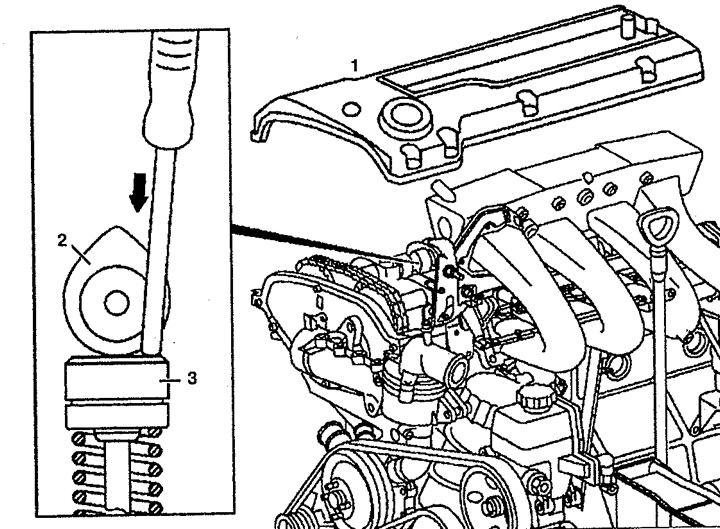
Figure 2.34. Remove cylinder head cover 1 and set cam 2 of the hydraulic compensator 3 being tested upwards:
1. Cylinder head,
2. Cam,
3. Hydraulic compensator.
3. Wipe the hydraulic lifters 3 with a clean cloth. They should be without oil.
4. Remove hydraulic compensator 3 using a hand vacuum pump
4. Do not use a magnet to remove (see figure 2.35).
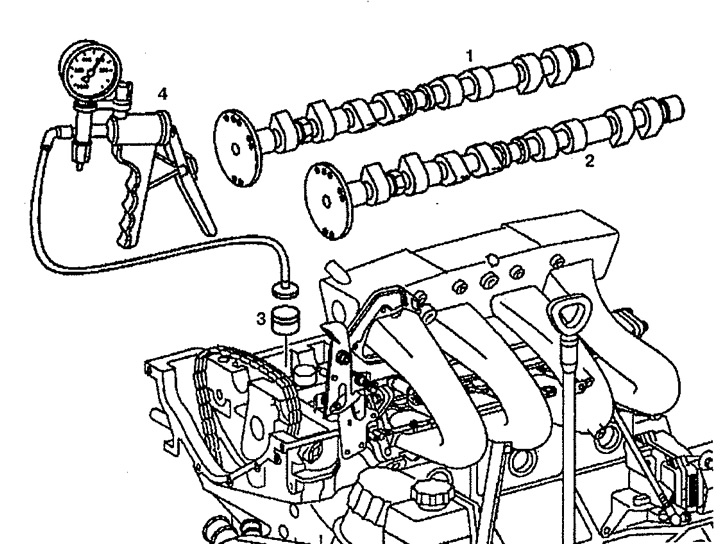
Figure 2.35. Removing the hydraulic compensator using a hand vacuum pump:
1. Exhaust camshaft,
2. Intake camshaft,
3. Hydraulic compensator,
4. Hand vacuum pump.
Examination
5. Press the hydraulic compensator with a metal rod by hand (arrow). If the pressure is excessive, the hydraulic compensator will drop and the valve will open. If the hydraulic compensator drops quickly compared to the others, it needs to be replaced.
6. Press the hydraulic compensator once by hand using the rod (arrow). If one or more new hydraulic compensators drop more than the others, check the tightness of the oil supply. Clean the oil passages in the cylinder head if necessary.
Installation
7. Installation is carried out in the reverse order of removal. The design of the hydraulic compensator is shown in the figure 2.36.
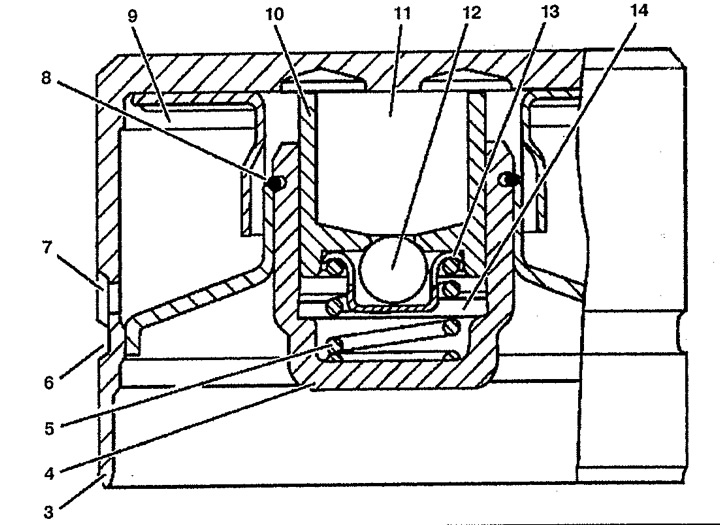
Figure 2.36. Hydraulic compensator design:
3. Hydraulic compensator,
4. Guide glass,
5. Spring,
6. Lubrication channel,
7. Lubrication hole,
8. Locking ring,
9, 11. Oil chamber,
10. Bolt,
12. Ball,
13. Ball guide,
14. Working chamber.
(Article was obtained from the portal: MERCEDESMAN)