



Sequence of works


1. Remove the protective cap from the wheel.
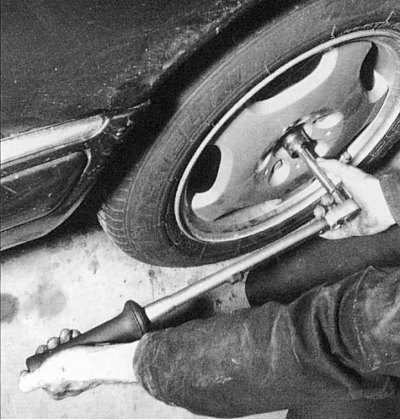
Fig. 6.20. Unscrew the 12-sided hub nut (SW 30) in the center of the wheel
2. Loosen the 12-point hub nut (SW 30) in the center of the wheel (Fig. 6.20). Since the hub nut is tightened with a high tightening torque, it is recommended to ask an assistant to hold the brake pedal down while loosening and tightening it.
3. Remove the left rear section of the exhaust system.
4. Clean the internal multi-sided bolts on the differential from dirt with a thin screwdriver and unscrew them with a special tool (Hazet-Nr. XZN 990 Ig-10).
5. Move the unscrewed drive shaft and push it up from the flange. This is easier to do when the shaft is in a horizontal position.
6. Pull the shaft off the flange from the outside, possibly with light blows. If the shaft fits very tightly in the flange, you should use a puller.
7. If possible, do not install the vehicle on the wheel with the drive shaft removed, as the lack of axial pressure may damage the hub bearing housing.
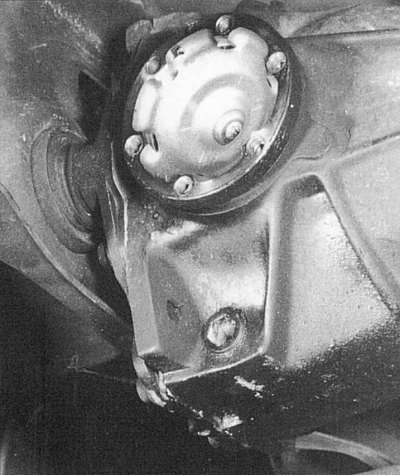
Fig. 6.21. Before installing the rear wheel drive shaft, clean the connecting flanges of the drive shaft and differential
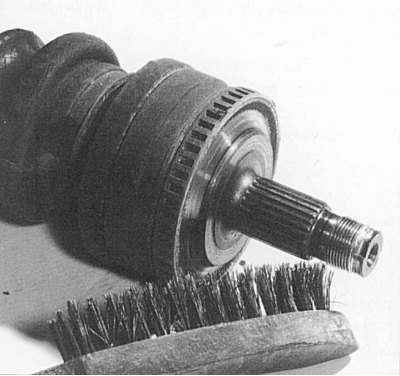
Fig. 6.22. Before installation, clean the splined connection with a wire brush and apply a little grease
8. Before installation, clean the shaft contact surface on the inside of the connecting flange (Fig. 6.21). If necessary, remove any remaining locking agent from the hub splines (Fig. 6.22).
9. Install new internal hexagonal head bolts together with washers and tighten: for a thread diameter of 10 mm - to a torque of 70 N·m, for a diameter of 12 mm - to a torque of 100 N·m.
10. Lower the vehicle and tighten the new 12-point nut. For a sedan, tighten the nut to 220 N·m, for a station wagon (T-model) - 320 N·m.
11. Lock the nut by bending the flanges into the grooves of the drive shaft.