



Engine Shut-Off Valve (Distribution type fuel injection pump)
The shut-off valve on the high-pressure fuel pump is used to stop the engine. It consists of a magnetic core with a tight fit and a return spring. When there is no 12-volt voltage from the EVE control unit on the coil, the spring presses the core tightly to the seat, the supply of the fuel mixture stops, and fuel is no longer injected into the combustion chamber. After this, the control unit monitors the actual shutdown of the engine. If the engine does not work, then only the overvoltage protection of the injection system remains open. If the engine continues to work, it is shut off using the fuel quantity regulator, and the data on the malfunction of the shut-off valve are entered into the computer memory.
Vacuum engine shutdown (in-line fuel injection pumps)
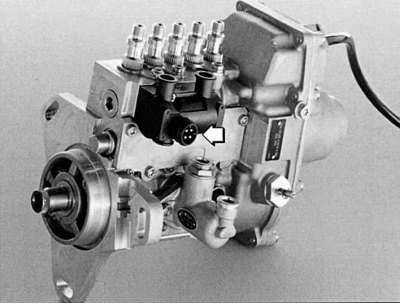
Fig. 4.78. Electrohydraulic switch (shown by arrow)
When the ignition key is turned to the off position, the electrohydraulic switch (Fig. 4.78) is activated, which operates from the vacuum created by the vacuum pump. When the engine stops, voltage is transmitted from the control unit to the coil, it pulls the core back, and both valves are turned off. The fuel pump begins to supply fuel through the bypass line back to the fuel tank. At the same time, the fuel injection pump rack returns to its original position, and the engine stops.