



Contents: Upper casing ↡ Lower casing ↡
Upper casing
Note: Installation will require sealant, a new timing chain cover gasket (see text) and a new coolant tube seal. It is also recommended to replace the camshaft oil seal.
Removal
1. Unclip the radiator fan shroud and place it on top of the fan blades as described in Chapter 3.
2. Remove the camshaft cover as described in paragraph 4.
3. Where provided, unfasten the cover from the distributor cap. Disconnect the high-voltage wires from the cover. Then unscrew the three fastening screws and remove the distributor cap. Move the cover aside together with the wires and housing.
4. Partially drain the cooling system as described in Chapter 1A.
5. Disconnect the heater hose from the tube that runs across the front of the cylinder head.
6. Loosen the mounting bolts, then remove the cooling pipe from the water pump and put the pipe away. Remove the sealing ring from the end of the pipe on the pump side.
7. Loosen the three mounting screws and remove the distributor runner.
8. Loosen the bolt and remove the drive sleeve (see fig. 6.8). Unfasten the plastic cover on the front of the upper chain cover.
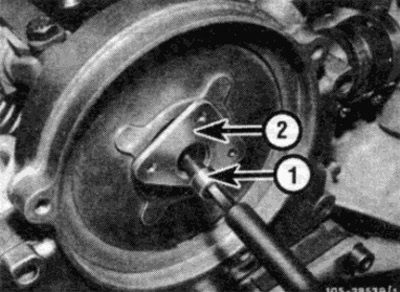
Fig. 6.8. Fig. 17.8. System device connection diagram (68-pin connector)
Loosen the runner drive bushing mounting bolt (1) and remove the bushing (2)
9. Remove the upper chain cover mounting bolts and remove the cover. The cover is installed using sealant and is located on dowels. Therefore, you may have to tap the cover from behind with a plastic hammer to separate it from the cylinder head.
10. Remove the gasket from the groove at the top of the lower target housing.
Installation
11. Begin installation by thoroughly cleaning the mating surfaces of the upper and lower timing chain covers and the cylinder head. Remove all traces of old sealant.
12. It is recommended to replace the camshaft seal in the chain case as follows.
- a) Pry up the old cuff using a screwdriver.
- b) Clean the cuff socket in the casing.
- c) Tap the new seal (dry) into place using a pipe or a wrench head until the seal is flush with the outer surface of the casing.
13. A piece of thin polyethylene or tape around the front flange of the camshaft will help prevent damage to the seal when installing the housing.
14. Apply a small amount of sealant to the joints between the lower chain case and the cylinder head, then install the new gasket into the groove at the top of the lower case (see fig. 6.14).
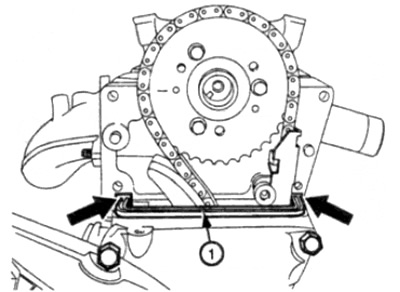
Fig. 6.14. Apply sealant (shown by arrow) to the connection of the lower chain cover with the cylinder head, then install a new gasket (1).
15. Apply sealant to the surface of the upper housing that is installed on the cylinder head.
16. Lubricate the camshaft boot lips with clean engine oil, then slide the boot into place over the camshaft, ensuring the boot aligns with the cylinder head keys.
17. Install the shroud mounting bolts, then tighten the bolts to the specified torque, starting with the bottom two.
18. Carefully wipe off any excess sealant with a lint-free cloth.
19. Where used, remove the plastic or tape from the camshaft.
20. Where provided, fit the cover to the front of the upper timing chain case, then fit the runner drive bushing, ensuring that the groove in the bushing aligns with the boss on the camshaft. Fit the bushing retaining bolt and tighten to the specified torque.
21. Install the runner and tighten the mounting screws.
22. Install the coolant pipe to the water pump using a new O-ring, then tighten the pipe mounting bolts.
23. Connect the cooling hose to the tube.
24. Install the distributor cap and connect the ignition coil wires.
25. Install the camshaft cover as described in paragraph 4.
26. Install the radiator fan shroud as described in Chapter 3.
27. Fill the cooling system as described in Chapter 1A.
Lower casing
When installing, you will need sealant and a new bracket mounting bolt seal (see text). A new oil feed tube O-ring may be required and a new front crankshaft oil seal is recommended.
Removal
28. Disconnect the negative battery terminal.
29. Raise the hood to the fully open position.
30. Where provided, remove the engine shield as described in Chapter 11.
31. Remove the air cleaner as described in Chapter 4.
32. Remove the radiator and fan blades as described in Chapter 3.
33. Loosen the radiator fan clutch, water pump mounting bolts, and suspension leveling pump pulley bolts, then remove the accessory drive belt as described in Chapter 1A.
34. Loosen the mounting bolts and remove the belt pulleys.
35. Remove the crankshaft pulley/vibration damper and hub as described in paragraph 5.
36. Remove the mounting bolts, then remove the coolant pipe that runs across the front of the cylinder head from the water pump. Remove the sealing ring from the end of the pipe. Move the pipe out of the work area.
37. Remove the nut and bolt from the front of the rigging bracket on the front of the engine (see fig. 6.37).
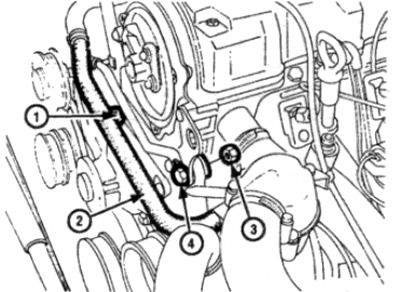
Fig. 6.37. Cooling pipe and engine rigging bracket parts
1 Cooling pipe mounting bolt
2 Cooling tube
3 Nut
4 Bolt
38. On models with adjustable suspension, loosen the hose clamp and disconnect the hydraulic hose from the pipe at the front left side of the cylinder head. Be prepared for fluid to spill and cover the open ends of the pipe and hose to prevent dirt from getting in and fluid from being lost.
39. Remove the upper timing chain cover as described previously.
40. Loosen the center bolt securing the suspension leveling pump bracket, then remove the remaining three bracket mounting bolts (hold the nut on the back of the bolt) (see fig.6.40). Remove the washers.
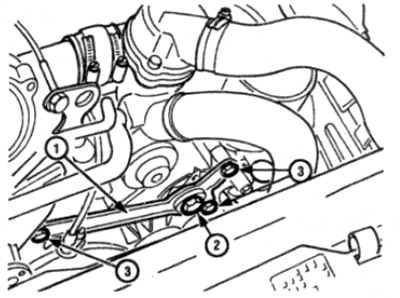
Fig. 6.40. Suspension level control system pump mounting bracket
1 Support bracket
2 Central bolt
3 Mounting bolts
41. Rotate the bracket away from the drive chain cover.
42. Remove the two bolts securing the suspension adjustment pump to the support bracket, then turn the pump away from the engine.
43. Loosen the mounting bolts and remove the radiator fan pulley bracket from the chain casing (see fig. 6.43).
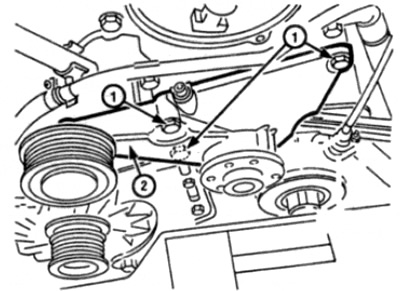
Fig. 6.43. Loosen the mounting bolts (1) and remove the radiator fan pulley bracket (2)
44. Loosen the mounting nut and remove the crankshaft position sensor from the bracket at the front of the camshaft drive chain housing. Where available, release the wires from the clamps and holders and move the sensor to the side out of the work area.
45. Disconnect the alternator connector.
46. Unscrew the four bolts securing the generator bracket to the engine and the generator, then remove the bracket and generator.
47. Remove the tensioner as described in paragraph 8.
48. Working from underneath the engine, remove the bolts securing the oil pan to the drive chain casing (see fig. 6.48). Note the location of the bolts as they vary in length. On models with adjustable suspension, move the fluid hose (secured to the pallet with casing-to-pallet mounting bolts) away from the work area.
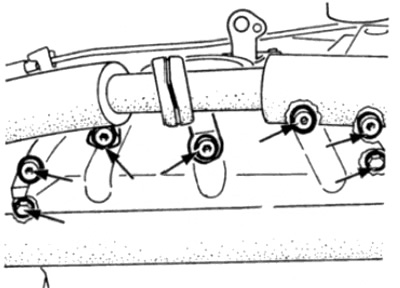
Fig. 6.48. Unscrew the bolts (shown by arrow) fastening the pallet to the chain casing
49. Unscrew the remaining casing mounting bolts, remembering their location, as they differ in length (see Fig. 6.49].
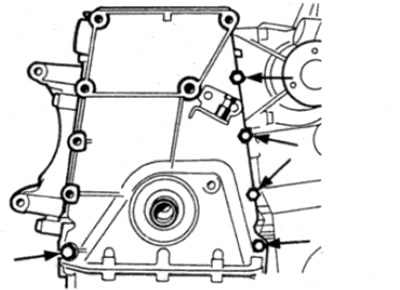
Fig. 6.49. Unscrew the remaining chain cover mounting bolts (shown by arrow)
50. Carefully pull the housing forward off the locating keys in the cylinder block. If the housing sticks, tap lightly around the edges with a wooden mallet - do not use leverage between the mating surfaces of the housing and cylinder block.
Note: Be careful not to damage the oil pan gasket when removing the cover.
Installation
51. Begin installation by thoroughly cleaning the mating surfaces of the lower timing chain case and cylinder block and the upper case. Remove all traces of old sealant.
52. Carefully inspect the condition of the oil pan gasket. If the gasket is damaged during removal, the oil pan must be removed to replace the gasket as described in paragraph 11.
53. It is recommended to replace the crankshaft seal in the chain casing as follows.
- a) Pry up the old cuff using a screwdriver.
- b) Clean the cuff socket in the casing.
- c) Hammer a new seal (dry) into the socket using a pipe or a wrench head until the seal rests against the flange on the casing.
54. A piece of thin polyethylene or adhesive tape around the front flange of the crankshaft will prevent damage to the seal when installing the housing.
55. Replace the seal located at the location of the lower bolt securing the radiator fan bracket to the chain cover.
56. Apply sealant to the surface of the housing that will be installed on the cylinder block.
57. Lubricate the crankshaft oil seal lips with clean engine oil, then slide the housing into place over the crankshaft, ensuring that the housing aligns with the cylinder block keys. Be careful not to damage the lips of the seal when installing the housing.
58. Install the casing mounting bolts shown in Fig. 6.49, making sure the bolts are in place, then tighten them to the specified torque.
59. Where used, remove the adhesive tape from the crankshaft.
60. Install the cover-to-pan bolts, making sure the suspension adjustment hose is in place, then tighten the bolts to the specified torque.
61. Install the chain tensioner as described in paragraph 8.
62. Install the generator and support bracket, then connect the generator wires.
Text republished from the website MercedesMAN
63. Install the crankshaft position sensor onto the bracket on the chain cover and tighten the mounting nut.
Note: If a new chain cover is installed, the position of the sensor should be checked as described in Chapter 4.
64. Install the cooling fan bracket and tighten the mounting bolts to the required torque.
65. Rotate the power steering/leveling pump onto the support bracket, then install and tighten the mounting bolts.
66. Apply sealant to both sides of the housing where the power steering pump/leveling system bracket bolt is located.
67. Rotate the pump bracket into place, then install and tighten the mounting bolts, making sure the washers are installed. Tighten the center bolt.
68. Install the upper chain cover as described earlier in this paragraph.
69. Where necessary, connect the self-leveling suspension system hose to the pipe at the front of the cylinder head.
70. Tighten the engine rigging bracket bolt and nut.
71. Connect the cooling pipe to the water pump using a new sealing ring, then tighten the mounting bolts.
72. Install the crankshaft pulley/vibration damper and hub as described in paragraph 5.
73. Install the accessory drive belt pulleys and tighten the mounting bolts.
74. Install the accessory drive belt as described in Chapter 1A and tighten the pulley mounting bolts.
75. Install the fan blades and radiator as described in Chapter 3.
76. Install the air cleaner.
77. Where provided, install engine protection.
78. Fill the cooling system as described in Chapter 1A.
79. Check and, if necessary, add oil to the engine and, where necessary, fluid to the power steering system / suspension level control system, as described in "Weekly check".
80. Connect the negative battery terminal.