



Contents: Fuel distributor ↡ Air flow sensor ↡ Air intake pump (only on 6-cylinder…↡ Cold engine start valve ↡ Coolant temperature sensor ↡ Throttle switch ↡ Electronic control unit OBU ↡ Fuel injectors ↡ Fuel pressure regulator ↡ Additional Air Assembly / Idle…↡ Lambda probe ↡
Warning: Before handling any part of the power supply system, read the safety precautions outlined in paragraph 1.
Note: After replacing or installing fuel system components, it is recommended to perform diagnostics at a service station. Such a check will allow you to delete error codes that may be contained in the memory of the electronic control unit of the fuel system.
Fuel distributor
Removal
1. Depressurize the power supply system as described in paragraph 2. Disconnect the negative battery terminal.
2. Remove the air cleaner as described in paragraph 3.
3. Unscrew the injector supply line fittings on the distributor and the injectors themselves. When unscrewing the nuts, hold the injector with a wrench.
4. On the fuel distributor, unscrew the line fittings from the cold start valve, pressure regulator and fuel supply pipe.
5. Disconnect the harness connector from the hydraulic pressure regulator at the multi-pin connector on the side of the distributor.
6. Remove the three mounting screws on the top of the fuel distributor, then lift the assembly up, twisting it from side to side to separate it from the air flow sensor (see Fig. 10.6, a, b). Remove the sealing ring.
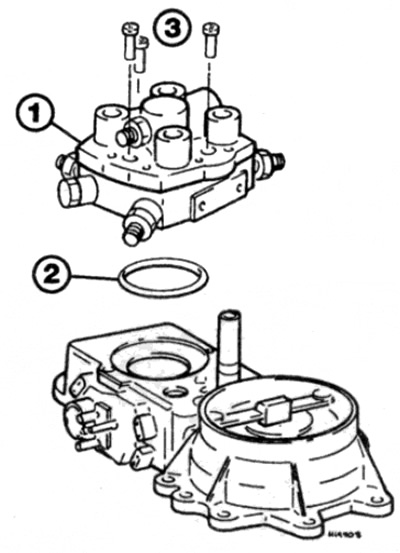
Fig. 10.6, a. Fastening details of the fuel distributor unit to the air flow sensor (4-cylinder engine)
1 Fuel distributor
2 Sealing ring
3 Mounting screws
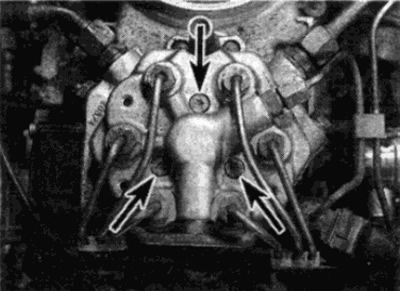
Fig. 10.6, b. Screws for fastening the fuel distributor unit to the air flow sensor (6-cylinder engine)
Installation
7. Installation is carried out in the reverse order. A new sealing ring must be installed between the distributor and the air flow sensor. Where provided, tighten all connections to the required torque.
8. When finished, start the engine and check for leaks around the removed parts. Then check and adjust the idle speed and the CO content in the exhaust gases (see Chapter 1A).
Air flow sensor
Removal
9. Refer to the relevant points in this paragraph and remove the distributor and fuel pressure regulator.
10. Loosen the bolts and move the lever mechanism bracket to the side (see fig. 10.10).
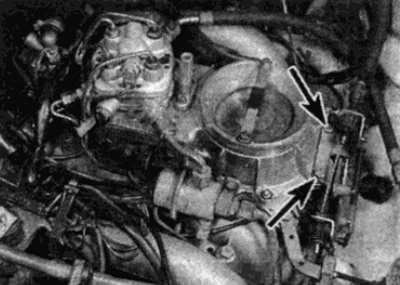
Fig. 10.10. Throttle linkage bracket bolts (shown by arrows)
11. Disconnect the air flow sensor wiring harness connector from the multi-pin connector (see fig. 10.11).
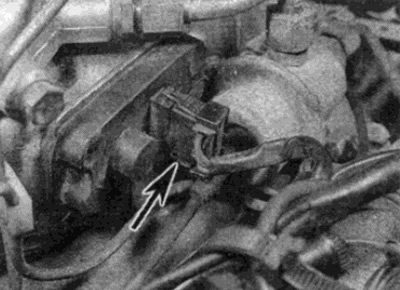
Fig. 10.11. Air flow sensor connector (shown by arrow)
12. According to the description in paragraph 9, separate the throttle body from the air flow sensor assembly base (see fig. 10.12)
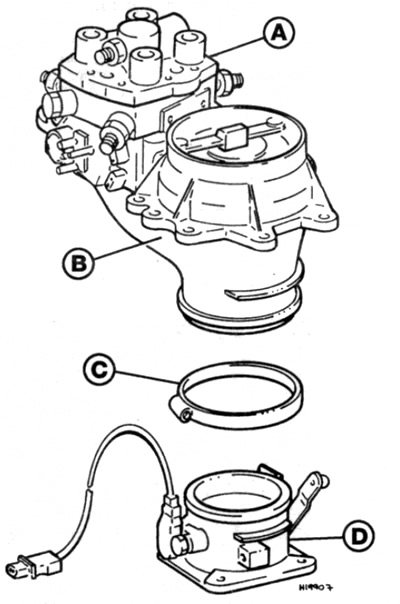
Fig. 10.12. Air flow sensor mounting details to the throttle body (4-cylinder engine)
A Fuel distributor
In Air flow sensor
With Yoke
D Throttle body
13. Unscrew the nuts securing the air flow sensor to the rubber supports and bracket (see fig. 10.13).
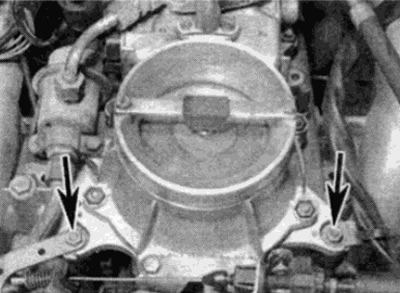
Fig. 10.13. Nuts for fastening the air flow sensor to the rubber supports (shown by arrows)
14. Remove the assembly from the housing, disconnect the idle air hose and remove the air flow sensor assembly from the engine compartment.
15. After unscrewing the screws, you can separate the rubber guide molding from the sensor body. Note, however, that the screws vary in length and must be installed strictly in their places during assembly.
Installation
16. Installation is carried out in the reverse order. Where necessary, tighten all fasteners to the required torque.
17. When finished, start the engine and check for leaks around the removed parts. Then check and adjust the idle speed and the CO content in the exhaust gases (see Chapter 1A).
Air intake pump (only on 6-cylinder engines)
Removal
18. Disconnect the negative battery terminal.
19. Loosen the accessory drive belt tension as described in Chapter 1 and remove the belt from the air intake pump pulley.
20. Disconnect the electromagnetic clutch plug from the connector.
21. Loosen the clamp and remove the air hose from the fitting on the rear of the pump.
22. Unscrew the upper and lower mounting bolts. Then remove the pump from the engine.
Installation
23. Installation is carried out in reverse order. When finished, refer to Chapter 1 and tighten the belt.
Cold engine start valve
Removal
24. Depressurize the fuel system as described in paragraph 2. Disconnect the negative battery terminal.
25. Disconnect the cold start valve plug from the block, which is located on the intake manifold close to the mating surface with the cylinder head (see fig. 10.25).
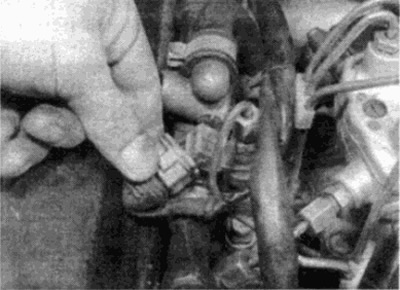
Fig. 10.25. Disconnecting the cold start rivet connector
26. Loosen and remove the fuel line union nut, then disconnect the fuel line from the valve and fuel distributor (see fig. 10.26). Be prepared for some of the gasoline to leak out - place a container underneath.
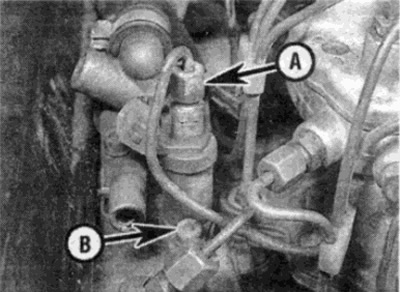
Fig. 10.26. Fuel line nipple nut on cold start valve (A) and front valve mounting screw (B)
27. Remove the two Allen screws and lift the valve. Remove the gasket.
Installation
28. Installation is carried out in reverse order.
Coolant temperature sensor
Removal
29. Contact Chapter 3 and partially drain the cooling system. Make sure the ignition is off.
30. The coolant temperature sensor is screwed into the top surface of the cylinder head on the left side of the engine. Do not confuse it with the temperature gauge sensor.
31. Disconnect the connector from the sensor.
32. Unscrew the sensor from the housing and remove the sealing ring.
Installation
33. Installation is carried out in reverse order. When finished, top up the coolant.
Throttle switch
Removal
34. The switch can be disconnected after the throttle body has been removed - refer to paragraph 9. Let us remind you that when replacing the switch, it is selected to the throttle body. It is best to entrust this work to a Mercedes-Benz dealer or a Bosch fuel injection system specialist.
Electronic control unit OBU
Removal
Warning: The Electronic Control Unit (ECU) contains components that are sensitive to the level of static electricity generated by humans during normal operation. When the harness connector is disconnected, the exposed contacts can easily conduct static electricity to these components, causing them to fail or even be damaged. The damage may not be noticeable and may not be immediately apparent. Costly repairs can be avoided by following these basic rules:
- a) Hold the ECU only by the housing: do not touch the unit contacts with your fingers or tools.
- b) When working on the ECU, ground yourself from time to time by touching metal objects, such as unpainted water pipes. This will allow the static electricity to drain from your body.
- c) Do not leave the ECU disconnected longer than necessary for operation.
35. The ECU is located in a compartment behind the engine compartment bulkhead next to the battery.
36. Disconnect the negative battery terminal. On some models, the battery must be removed to provide sufficient space (see Chapter 5A).
37. To disconnect the multi-pin connector, first squeeze the spring tabs on the cable end of the connector block, lift the block from the cable end, then separate the boss on the opposite end of the block.
38. Press the lock, then unscrew the screws (where provided) and remove the ECU from the supports (see Fig. 10.38, a, b). Please note that on some models with ABS, you must first remove the ABS electronic control unit - for more information, please refer to Chapter 9.
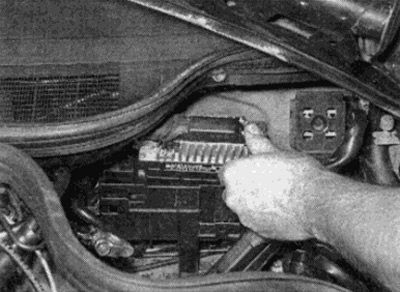
Fig. 10.38, a. Press the retainer away from the camshaft cover...
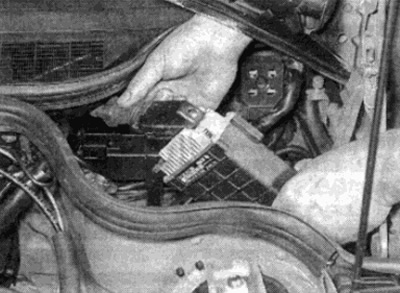
Fig. 10.38, b - then pull out the ECU and disconnect the connector plug
Installation
39. Installation is carried out in reverse order.
Fuel injectors
Removal
40. Depressurize the fuel system as described in paragraph 2. Disconnect the negative battery terminal.
41. Remove the air cleaner cover as described in paragraph 3 and, where required for better access, disconnect the hoses from the camshaft cover and the additional air unit (see Fig. 10.41, a, b).
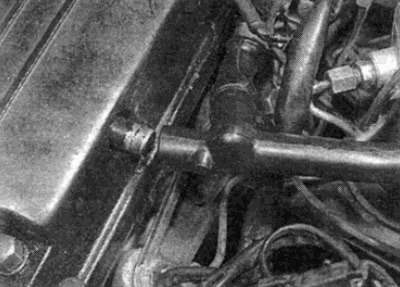
Fig. 10.41, a. Disconnect the hoses from the camshaft cover...
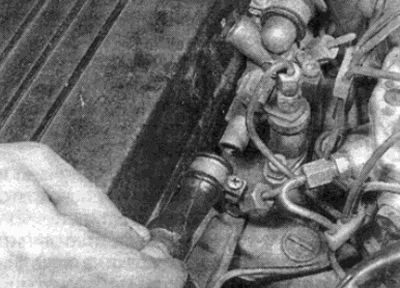
Fig. 10.41, b — and additional air unit — 4-cylinder engine
42. Loosen the fuel line union nuts on each injector and the corresponding pipe on the fuel distributor. Hold the injectors with a wrench while loosening the nuts. Move the fuel lines out of the work area.
43. On 4-cylinder engines, loosen the center nut and remove the connecting link between each pair of injectors. On 6-cylinder engines, loosen and remove the screw, then remove the injector mounting clamp (see Fig. 10.43, a, b).
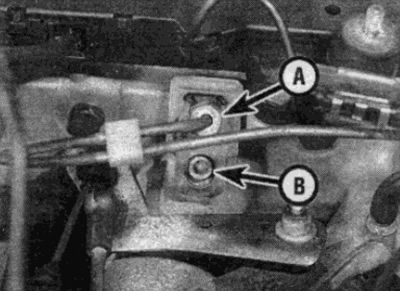
Fig. 10.43. a. Injector assembly - 6-cylinder engine
A Fuel line nipple nut
In Clamp mounting screw
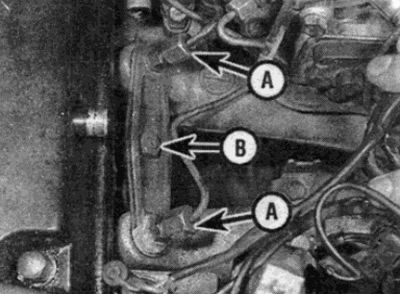
Fig. 10.43. b. Injector assembly - 4-cylinder engine
A Fuel line nipple nut
Injector Connecting Link Nut
44. Remove the injectors, removing the seals.
Installation
45. Installation is carried out in the reverse order. Use new injector gaskets. Securely tighten the mounting screws.
Fuel pressure regulator
Removal
46. Depressurize the fuel system as described in paragraph 2. Disconnect the negative battery terminal.
47. Remove the air cleaner as described in paragraph 3.
48. Clamp the flexible fuel hoses that go to the pressure regulator. Do not use a vice, as this may damage the hoses from the inside.
49. Unscrew the fuel line fittings and separate the fuel tubes from the sockets on the pressure regulator (see fig. 10.49). Be prepared for some gasoline to spill. Where provided, disconnect the vacuum hose from the back of the regulator.
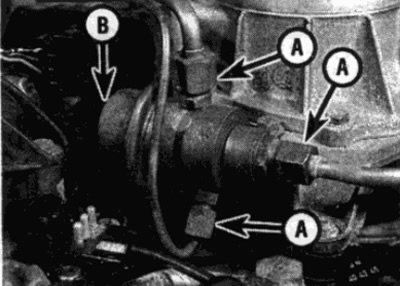
Fig. 10.49. Fuel pressure regulator connections
A Fuel line fittings
In Vacuum hose
50. Loosen and remove the clamp bolt, then remove the pressure regulator from the air flow sensor housing.
Installation
51. Installation of the pressure regulator is carried out in the reverse order.
Additional Air Assembly / Idle Actuator
6-cylinder engines
52. Disconnect the negative battery terminal.
53. The actuator is located on top of the intake manifold in front of the fuel distributor.
54. Disconnect the plug from the socket on the mechanism.
55. Remove the air hoses from the actuator connections, marking them to facilitate installation.
56. Loosen the bolts and remove the mechanism from its supports (see fig. 10.56).
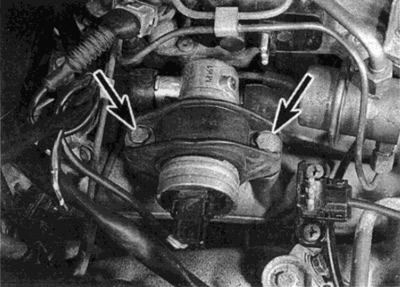
Fig. 10.56. Idle speed actuator mounting bolts - 6-cylinder engine
57. Installation is carried out in reverse order. Make sure that the hoses are connected correctly, as they were before removal.
4-cylinder engines
58. Disconnect the negative battery terminal.
59. The additional air unit is located at the rear of the intake manifold near the engine compartment bulkhead.
60. Disconnect the wire from the unit block (see fig. 10.60).
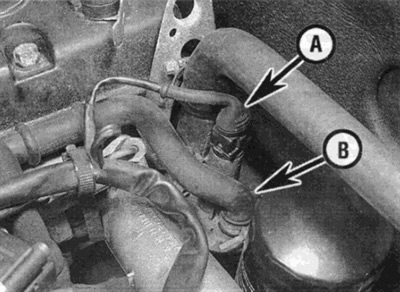
Fig. 10. 60. Additional air valve plug (A) and air hose (B) - 4-cylinder engine
61. Loosen the hose clamp and remove the air hose from the fitting on top of the additional air valve.
62. Loosen the bolts and remove the valve from the supports.
63. Installation is carried out in reverse order.
Lambda probe
Removal
64. Lambda probe (oxygen sensor) is located in the protrusion of the intake pipe - access to it opens from below the car.
65. Raise the front of the vehicle with a jack and place it on supports (see "Lifting the car and placing it on supports". You can place the car over an inspection pit or on an overpass.
66. Make sure the ignition is off and wait until the exhaust system has cooled down completely before starting work.
67. Working from underneath the car, disconnect the Lambda probe wires from the connector on the underbody tray. The connection is bayonet-type - to disconnect it, turn it a quarter turn counterclockwise.
Note: On later models, the connector is located inside the vehicle under the driver's side floor mat. Disconnect the connector and route the wire through the bulkhead in the underbody tray.
68. Unfasten the metal screen, then use a wrench to unscrew the probe from the inlet pipe (see fig. 10.68).
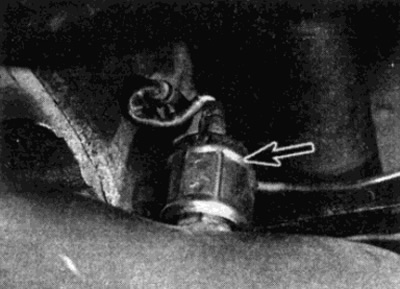
Fig. 10.68. Unfasten the metal cover (shown by arrow) from Lambda probe
Note: Since the probe has a dangling wire after disconnecting and you do not have the appropriate size wrench, you will need a socket head to remove the probe. Be careful not to damage the wire or the tip of the removed probe.
Full article available on the resource (MercedesMan.ru)
Installation
69. Apply anti-seize compound to the probe threads.
70. Install the probe into the housing, tighten it to the required torque. Restore the harness connection.