



Models with carburetors
Note: The information in this paragraph does not apply to vehicles equipped with catalytic converters.
1. The following adjustments should be made after the engine has warmed up to normal operating temperature from a cold start, not after a long drive. All electrical devices (including air conditioning) must be switched off and the radiator electric fan must not work.
Idle speed
Note: This paragraph describes the adjustment for Stromberg type carburetors. On models equipped with Pierburg type carburetors, the speed is adjusted electronically and cannot be changed manually.
2. Connect a tachometer to the engine and determine the engine idle speed. If adjustment is necessary (see Technical data in Chapter 4A), turn the idle speed screw as far as required. Note that the idle speed adjustment screw is the longer screw (from two screws) (see fig. 11.2).
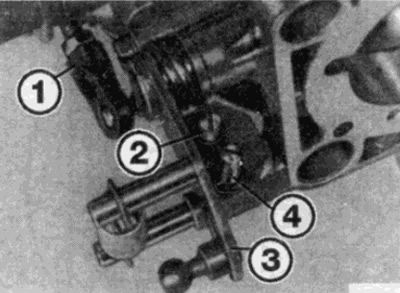
Fig. 11.2. Stromberg type carburetor adjustment screws
1 Air damper lever connecting rod
2 High idle speed adjustment screw
3 Throttle lever
4 Idle speed adjusting screw
3. Increase engine speed briefly, then let the engine return to idle speed and check the idle speed adjustment
CO content in idle mode
4. Connect the exhaust gas analyzer to the exhaust pipe according to the manufacturer's instructions.
5. Increase engine speed to 2000 rpm for 15 seconds, then return to idle mode.
6. Check the CO content in the exhaust gases. If necessary, adjust (see Technical data in Chapter 4 A), remove the plug from the fuel shut-off valve, loosen the lock nut and turn the valve until the CO content meets the specifications (see fig. 11.6). Remember that turning the valve in makes the mixture leaner, and turning the valve out makes the mixture richer. Turn the valve no more than half a turn between measurements each time.
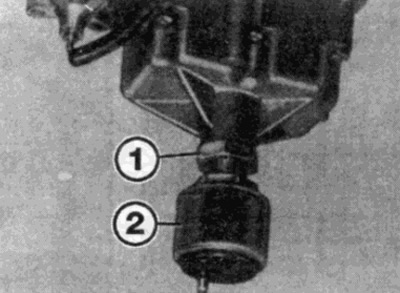
Fig. 11.6. Loosen the lock nut and turn the fuel shut-off valve until the CO content is within the normal range
1 Lock nut
2 Shut-off valve
Increased idle speed
Note: This paragraph describes adjustment for Stromberg type carburetors.
7. Start the engine and let it idle. Check that the idle speed and CO content are within the norm.
8. Hold the throttle open with your hand until the rpm is 2500. At the same time, insert a small screwdriver into the slot on the side of the choke housing that opens after removing the plastic cover and move the actuator lever toward the engine until you feel the restriction - do not push the lever beyond this point.
9. Holding the drive lever in this position, use a screwdriver to loosen the throttle valve - the engine should run at high idle speed
10. Check for increased idle speed using a tachometer. If necessary, adjust (see Technical data in Chapter 4A), turn the idle speed adjustment screw Remember that the high idle speed screw is the shorter screw of the two screws (see Fig. 1121
11. When finished, briefly open the throttle valve to disengage the high idle speed mechanism and allow the engine to return to normal idle speed.
CO content in idle speed mode.
Note: This paragraph describes adjustment for Stromberg type carburetors.
12. Connect the exhaust gas analyzer to the exhaust pipe according to the manufacturer's instructions.
13. Set the engine to idle speed as described above. Check the CO content in the exhaust gases. If necessary, adjust (see Technical data in Chapter 4 A), remove the plug from the additional air adjustment screw and turn the screw until the CO content meets the technical data requirements (see fig. 11.13). Remember that turning the screw in makes the mixture leaner, and turning the screw out makes the mixture richer. Turn the screw no more than half a turn between measurements each time.
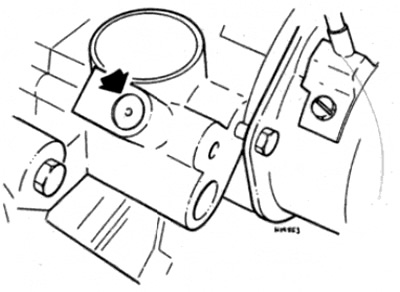
Fig. 11.13. Remove the plug (shown by arrow) from the additional air adjustment screw
14. When finished, open the throttle valve briefly to turn off the high idle speed mechanism and allow the engine to return to normal idle speed mode
Fuel Injected Models
Note: The following adjustments should be made after the engine has reached normal operating temperature from a cold start, not after a long drive. The best time to make the adjustments is when the engine temperature does not exceed 100°C, or before the radiator electric fan comes on. On later models equipped with a rotary mechanical device for changing the idle speed, the idle speed is adjusted electronically and adjustments are not possible without special measuring equipment. Vehicles equipped with such devices must be adjusted by a Mercedes service station or a Bosch fuel injection specialist.
15. When performing adjustments, the air cleaner with the vacuum hose and ventilation hose connected to it must be installed. For adjustments, you can use the tachometer installed on the instrument panel.
16. Connect the exhaust gas analyzer to the exhaust pipe according to the manufacturer's instructions.
17. Start the engine and let it idle. On models with automatic transmission, place the gear selector lever in the "PARK" position. Make sure all electrical consumers are turned off, including the air conditioner (where it is installed).
18. The idle speed adjustment screw can be reached through a recess on the side at the bottom of the air cleaner housing (see fig. 11.18).
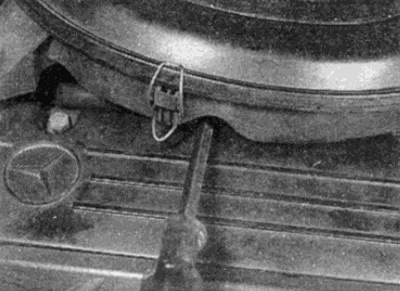
Fig. 11.18. The idle speed adjustment screw can be reached through a recess on the side at the bottom of the air cleaner housing
19. Turn the idle speed adjustment screw until the idle speed meets the required specifications. Increase the engine speed briefly and return to idle mode.
20. Check the idle speed and adjust if necessary. Turn off the engine.
21. To adjust the CO content in the exhaust gases, remove the air cleaner and pry off the plug. Install the air cleaner.
22. Start the engine and set the speed to approximately 2000 rpm. Maintain this speed for approximately 10 seconds, then return to idle mode.
23. Check the CO content in the exhaust gases using a gas analyzer. If it does not meet the specifications, insert an Allen key into the mixture quality adjustment screw tube (see fig. 11.23). Align the end of the key with the adjusting device and press it down against the spring force until the adjusting device aligns with the adjusting screw.

Fig. 11.23. Insert the Allen key (or a long hexagon) into the mixture quality adjustment screw tube
24. Turn the adjustment screw as required to adjust the CO content; clockwise rotation enriches the mixture, and counterclockwise rotation depletes it.
25. After accelerating the engine, check the CO content again as described in point 8, and adjust the mixture quality. Each time, turn the adjustment screw between measurements only half a turn.
26. When finished, disconnect all measuring instruments and install a new plug on the mixture quality adjustment screw tube.