



Warning: If any part of the ABS system has been removed or replaced, the system must be checked for proper operation before the vehicle is driven. This must be done at a service station using special testing equipment.
Models without traction control
Hydraulic modulator
Note: Please read the warning at the beginning before you begin paragraph 2 about the dangers of hydraulic fluid.
Removal
1. Disconnect the negative battery terminal.
2. Unscrew the cap of the master cylinder reservoir and add fluid to the "MAX" level (see Chapter 1). Place a piece of polyethylene on top of the filler neck and close the cap securely. This will reduce the loss of brake fluid during subsequent operations. As a preventive measure, spread absorbent rags under the hydraulic modulator.
3. Wipe the area around the hydraulic module tube fittings, then record how the tubes are installed so that you can reinstall them correctly (see fig. 18.3). Unscrew the union nuts and carefully separate the tubes. Plug or tape the open ends and holes in the module to reduce brake fluid loss and prevent dirt from getting inside the system. Rinse off any spilled fluid immediately with cold water.
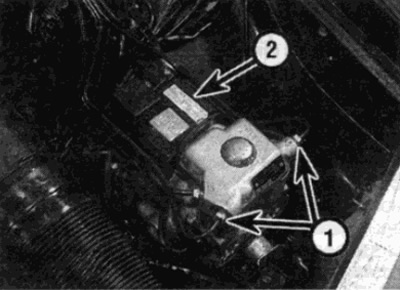
Fig. 18.3. ABS hydraulic module brake pipe fittings (1) and electrical connector (2)
4. Loosen the mounting screw and remove the relay cover from the assembly to gain access to the wires. Disconnect the connector and remove it from the hydraulic module, then loosen the mounting bolt and disconnect the ground bus.
5. Loosen and remove the mounting nuts, then pull the module out of the bracket. If necessary, unscrew the rubber support bushings and remove them.
Note: Do not attempt to disassemble the hydraulic unit modulator assembly; cannot be repaired.
Installation
6. Installation is carried out in reverse order, taking into account the following points:
- a) Check if the rubber bushings of the supports are worn or damaged; replace if necessary.
- b) Install the brake pipes onto their respective fittings and tighten the nuts to the required torque.
- c) Make sure the wire is routed correctly and the connector is securely fastened in place.
- d) When finished, before connecting the battery, bleed the brake system as described in paragraph 2.
Electronic control unit (ECU)
Removal
7. The ABS control unit (ABS) is located behind a plastic insulating cover that is installed on the rear of the battery tray. Before removing, disconnect the negative battery terminal.
8. Pull back the rubber boot and remove the cover at the rear of the battery. For better access, unfasten the rubber sealing strip from the base of the windshield, then remove the retainer and unscrew the mounting screws and remove the ventilation housing cover part.
9. Release the connector latch and disconnect the connector, then slide the ECU out and remove it from the vehicle (see fig. 18.9).
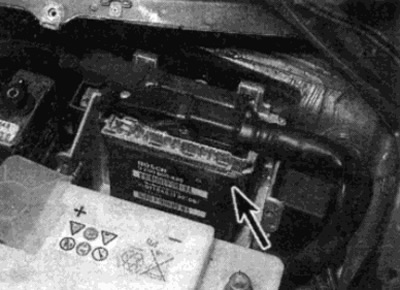
Fig. 18.9. Location of the electronic control unit of the ABS system
Installation
10. Installation is carried out in reverse order. Make sure that the wire connector is connected securely.
Front wheel sensor
Note: New sensor mounting bolts will be required during installation.
Removal
11. Place chocks under the rear wheels, apply the parking brake, then raise the front of the vehicle with a jack and place it on supports (see "Lifting the car and placing it on supports"). Remove the corresponding front wheel.
12. Make sure the ignition is off, then trace the wires back from the sensor to the connector. Unclip the connector from the retainer and disconnect it from the main harness. Release the sensor wire from all holders and clamps, making a note of how it is routed so that it can be easily removed.
13. Loosen and remove the bolts securing the sensor to the steering knuckle and remove the sensor and wire from the vehicle (see fig. 18.13). Check the sealing ring. If worn or damaged, replace. Discard the mounting bolts - new ones must be used during installation.
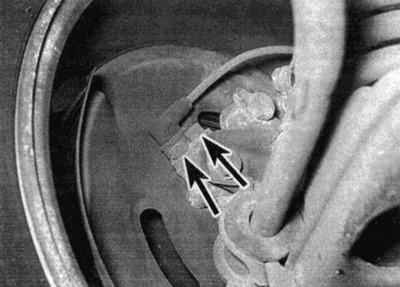
Fig. 18.13. Front wheel sensor mounting bolts (shown by arrows)
Installation
14. Before installation, make sure that the mating surfaces of the sensor and steering knuckle are clean and dry, then apply a thin layer of multi-purpose grease to them (mercedes-Benz recommends Molycote Longterm 2).
15. Make sure the sensor tip and magnetic rings are clean. Install the sealing ring on the sensor.
16. Insert the sensor into the steering knuckle. Make sure the sensor is positioned correctly, then install new mounting bolts and tighten them to the required torque.
17. Secure the wires to all the provided holders and clamps to route them properly. Make sure the sealing ring is in good condition, then connect the wires and fasten the connector to the retainer.
18. Install the wheel, then lower the vehicle to the ground and tighten the wheel bolts to the required torque.
Rear wheel sensor
Removal
Note: A new sensor mounting bolt will be required during installation.
19. Place chocks under the front wheels, then raise the rear of the vehicle with a jack and place it on supports (see "Lifting the car and placing it on supports").
20. To access the sensor connector, remove the rear seat as described in Chapter 11.
21. Make sure the ignition is off, then disconnect the sensor wires from the connector. Release the sensor wire from all holders and clamps, remembering how it is routed so that it can be easily removed.
22. Working from underneath the vehicle, release the sensor wire from the holders on the underbody.
23. Loosen the sensor mounting bolt and remove the sensor and sealing ring from the final drive (see fig. 18.23). Replace the O-ring if damaged or broken. Discard the mounting bolt as a new one must be used during installation.
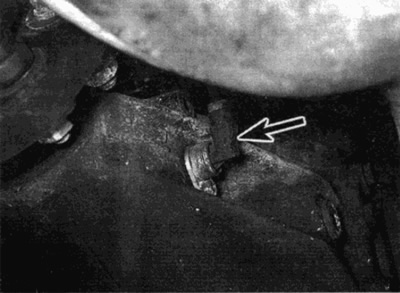
Fig. 18.23. The rear wheel sensor is mounted on the side of the main gear
Installation
24. Make sure the sensor and eye transmission surfaces are clean and dry and install the O-ring on the sensor.
25. Install the sensor in place, then install the new mounting bolt and tighten it to the required torque.
26. Route the wire back through the rubber grommet in the floor, then inside the cabin and connect it to the main harness. Make sure the wire is routed correctly and secure it in the appropriate holders.
27. Install the rear seat and lower the vehicle to the ground.
Front magnetic rings
28. The front magnetic rings are fixed to the rear surface of the wheel hub. Check that the rings are not crumbled and that all the teeth are in place. If replacement is necessary, the hub assembly should be replaced as described in Chapter 10.
Rear magnetic ring
29. The rear magnetic ring is a component of the main gear. With the sensor removed, check that the ring is not damaged. If the teeth are crumbled or missing, replace them. Replacement must be carried out at a Mercedes-Benz service station.
Voltage protection relay
Removal
30. The relay is located behind the electronic control unit (ECU). Before removing, make sure the ignition is off.
31. Loosen the mounting screws (where they are installed), then disconnect the relay and remove it from the engine compartment.
Installation
32. When installing, make sure that the relay and connector terminals are clean and dry.
ABS system relay
Removal
33. Loosen the fastening screw and remove the cover from the top of the hydraulic module (see Fig. 18.33, a, b).
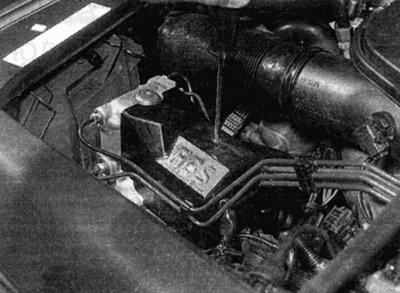
Fig. 18.33, a. Loosen and remove the fastening screw...
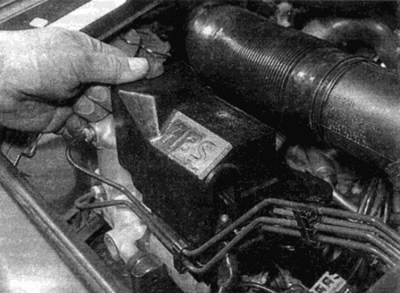
Fig. 18.33, b....and remove the relay cover from the hydraulic module
34. Make sure the ignition is off and remove the appropriate relay from the control unit: the solenoid valve relay is the smaller one, and the return pump relay is the larger of the two (see fig. 18.34).
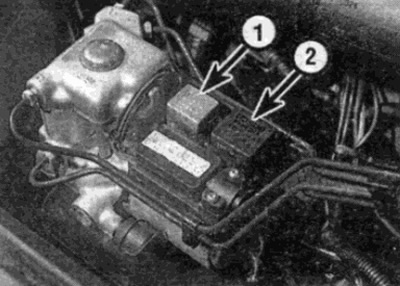
Fig. 18.34. Solenoid valve relay (1) and return pump relay (2)
Installation
35. Make sure the relays are securely installed in the sockets, then install the cover and tighten the mounting screws securely.
Models equipped with traction control system
Hydraulic module
Note: Please read the warning at the beginning before you begin paragraph 2 about the dangers of hydraulic fluid.
Removal
36. Disconnect the negative battery terminal.
37. Loosen the mounting screws, then unfasten the covers and remove them from the top of the hydraulic module.
38. Connect a piece of hose to the hydraulic module air bleed valve (labeled SP1) and place the end of the hose in a container. Depressurize the hydraulic module by loosening the air bleed valve and allow fluid to drain into the container.
39. Unfasten the retainer and disconnect the wire connector from the hydraulic module.
40. Disconnect the hydraulic pipes from the module as described in points 2 and 3.
41. Loosen the fastening nut and separate the ground bus from the module.
42. Loosen the mounting bolts and remove the hydraulic module upwards.
Note: Do not attempt to disassemble the hydraulic unit modulator assembly; cannot be repaired.
Installation
43. Installation is carried out in reverse order, taking into account the following points:
- a) Check if the rubber bushings of the supports are worn or damaged; replace if necessary.
- b) Install the brake pipes onto their respective fittings and tighten the nuts to the required torque.
- c) Make sure the wire is routed correctly and the connector is securely fastened in place.
- d) When finished, release air from the brake system(including hydraulic module), as described in paragraph 2.
Pressure pump
Removal
44. Perform the actions described in pp. 36-38, inclusive.
45. To reduce brake fluid loss, clamp the hose connecting the injection pump to the master cylinder feed tank.
46. Wipe down the area around the pump hose and tube fittings. Loosen the fitting nuts and carefully remove the tubes from the pump and disconnect the hydraulic hose. Plug or tape the ends of the tubes/hose and the pump openings to minimize fluid loss and prevent dirt from entering the system. Rinse off any spilled fluid immediately with cold water.
47. Disconnect the electrical connector from the pump, release the pump from the support bracket and remove it from the engine compartment.
Installation
48. Installation is carried out in reverse order, taking into account the following points:
- a) Replace rubber mounts if damaged or worn.
- b) When finished, bleed the brake system as described in paragraph 2, not forgetting about the hydraulic module.
Pressure accumulator
Removal
49. Perform the actions described in paragraphs 36-38 inclusive.
50. Proceeding as described in points 2 and 3, disconnect the pressure accumulator tubes from the base of the hydraulic block.
51. Apply the parking brake, then raise part of the vehicle with a jack and place it on supports (see "Lifting the car and placing it on supports"). Remove the left front wheel.
52. Loosen the mounting screws and remove the left wing wheel arch liner.
53. Loosen the nuts securing the battery to the support bracket, then carefully remove the battery along with the hydraulic pipes.
Installation
54. Installation is carried out in reverse order, taking into account the following points:
- a) When installing, make sure the hydraulic pipes are properly routed on top of the ring bracket.
- b) Tighten the pipe fitting nuts to the required torque.
- c) When finished, bleed the brake system, including the hydraulic module, as described in paragraph 2.
Electronic control units (ECU)
55. Refer to steps 7-10, taking into account that the hydraulic module ECU is the rear of the two units, and the throttle actuator ECU is located in front.
Front wheel sensor
56. Refer to points 11 through 18.
Rear wheel sensor
Note: A new sensor mounting bolt and final drive support bolt nuts will be required for installation. The sensor sealing ring will also need to be replaced.
Removal
57. Place chocks under the rear wheels, apply the parking brake, then lift the front of the vehicle with a jack and place it on supports (see "Lifting the car and placing it on supports"). Remove the corresponding front wheel.
58. Loosen the mounting nuts and remove the sensor wire channel from the vehicle body.
59. Place a jack with a block of wood under the final drive and raise the jack to support the weight of the unit.
60. Loosen the mounting nuts and remove the two bolts of the rear main gear supports.
61. Loosen and remove the nut and remove the bolt of the front support of the main gear.
62. Carefully lower the final drive until the propeller shaft contacts the seat belt support rod or heat shield, which is mounted across the body tunnel. Remove the washers and support rubbers from the front final drive support. Replace the rubbers if they are damaged.
63. Loosen and remove the sensor mounting bolt, remove the sensor from the top of the final drive together with its sealing ring. Replace the sealing ring.
64. Trace the sensor wire back to the junction block and remove the cover. Rotate the retaining ring and disconnect the wire connector from the block.
65. If both sensors are removed, mark the area between the sensor connectors and the wires. Unfasten the cover on the back of the connector, then release the sensor terminals and remove it from under the vehicle.
Installation
66. Insert the sensor terminals into the connector, using the marks made during removal, and fasten the cover in place. Connect the connector to the block, securing it with a locking ring. Install the cover.
67. Make sure the sensor and final drive surfaces are clean and dry, then install a new O-ring onto the sensor.
68. Install the sensor on the final drive, then install the new mounting bolt and tighten it to the required torque.
69. Make sure the rubber bands and washers of the upper and lower mounts are correctly positioned. Carefully lift the final drive into place.
70. Insert the final drive mounting bolts and install new nuts. Tighten the mounting bolts to the required torque (see Chapter 8).
71. Make sure the sensor wire is routed correctly, then install the wire tray and lower the vehicle to the ground.
Front magnetic rings
72 The front magnetic rings are fixed to the rear surface of the wheel hub. Check that the rings are not crumbled and that all the teeth are in place. If replacement is necessary, the hub assembly should be replaced as described in Chapter 10.
Rear magnetic ring
73. The rear magnetic ring is a component of the main gear. With the sensor removed, check that the ring is not damaged. If defects in the teeth are detected, replace it. Replacement must be carried out at a Mercedes-Benz service station.
Voltage protection relay
74. Refer to pp. 30-32.
ASR system relay
75. Refer to paragraphs 33-35.