



Contents: General Provisions ↡ Pumping sequence ↡ Bleeding - Basic Method (Two People) ↡ Bleeding air using a valve kit ↡ Releasing air using a pressure…↡ All methods ↡ Bleeding air from the hydraulic unit…↡
Warning: Brake fluid is poisonous: if fluid comes into contact with skin, wash it off immediately and thoroughly; if liquid gets into your stomach or eyes, seek medical attention immediately.
Some hydraulic fluids are flammable and may ignite when in contact with hot components: when servicing a hydraulic system, it is wise to treat any fluid as flammable and take appropriate precautions as if it were gasoline. Brake fluid has a discoloring effect, especially on plastics, so if fluid spills, it should be washed off with plenty of clean water.
Finally, it should be taken into account that the liquid is hygroscopic (it absorbs moisture from the air). Old fluid may be contaminated and unsuitable for further use. When adding or replacing fluid, always use the recommended type of fluid, and make sure the fluid is fresh and stored in a well-sealed container.
General Provisions
1. Correct operation of the hydraulic brake system is possible only if there is no air in it, which is achieved by bleeding the system.
2. When bleeding, add only new, clean fluid of the specified type to the system, never reuse fluid that has spilled out of the system. Make sure you have enough fluid before starting work.
3. If there is a suspicion that the wrong type of fluid has entered the system, flush and fill the entire system with clean fluid of the correct type and replace all hydraulic system seals.
4. If brake fluid is lost due to leaks, locate and repair the leak before continuing work.
5. Park the car on a level surface, turn off the ignition and engage first gear or reverse gear. Place chocks under the wheels and release the handbrake.
6. Make sure all pipes and hoses are in good condition, connections are tight and bleed nipples are screwed in. Remove dust caps and clean dirt from around air release valves.
7. Unscrew the cap of the reserve reservoir of the master cylinder, and add brake fluid to the "MAX" level. Loosely tighten the cap and do not forget to maintain the fluid level at least above the "MIN" level throughout the procedure, otherwise there is a risk of air getting into the system.
8. There are kits available for bleeding brakes by one person. It is recommended to use one of these kits if possible, as they greatly simplify the bleeding procedure and reduce the risk of air getting into the system again along with the fluid. If you do not have such a kit, you should use the usual method of bleeding by two people. This method is described in detail below.
9. If using a one-person bleeding kit, prepare the machine as described above and then follow the kit manufacturer's instructions as the bleeding procedure may vary slightly depending on the type of kit. The basic steps are described in the following sections.
10. Regardless of the method of bleeding the brake system, a certain sequence of actions described below must be followed (pp. 11 and 12). After finishing, before driving on the road, thoroughly check the operation of the braking system.
Pumping sequence
11. If the system is only partially disconnected and appropriate measures have been taken to reduce fluid loss, it is sufficient to bleed only that part of the system.
12. If the entire system is being pumped, the following order should be followed:
- a) Right rear brake.
- b) Left rear brake.
- c) Right front brake.
- d) Left front brake.
Note: On models equipped with the IASR (Internal Traction Support System), if the hydraulic system components adjacent to the master cylinder, hydraulic unit, pump and accumulator are touched, then the hydraulic unit reservoir must also be bled when bleeding the main brake system (see item 32).
Bleeding - Basic Method (Two People)
13. Take a clean glass container of suitable size and a piece of plastic or rubber hose of suitable length that fits tightly over the air release valve, and a socket wrench to unscrew the valves. You will also need the help of an assistant.
14. Remove the protective cap from the air release valve of the wheel you are going to bleed, put the key and tube on the valve. Lower the other end of the tube into the container and pour enough liquid into it so that the end of the tube is completely immersed in it.
15. Make sure that the fluid level in the master cylinder reserve tank is at least above the "MIN" level throughout the procedure.
16. Have your assistant press the brake pedal all the way down several times to build up pressure, then hold the pedal in the down position on the last press.
17. With the pedal pressed, unscrew the valve (approximately one revolution) and allow the fluid and air under pressure to flow into the container. The assistant must maintain pressure on the pedal, pressing it to the floor if necessary, and must not release it without a command. When the fluid flow stops, tighten the valve and ask the assistant to slowly release the pedal. Check the fluid level in the reserve tank.
18. Repeat steps 16 and 17 until the fluid flowing out of the valve no longer contains air bubbles. If bleeding is started after the master cylinder has been emptied and refilled, wait approximately five seconds between cycles to allow the cylinder cavities to fill with fluid.
19. When air bubbles stop appearing, tighten the valve securely, remove the tube and wrench, and replace the protective cap. Do not overtighten the valve.
20. Repeat this procedure in the above sequence until all air has been removed from the system and the brake pedal becomes hard again.
Bleeding air using a valve kit
21. As the name suggests, these kits consist of a piece of pipe with a valve that prevents the fluid with the air removed from the system from flowing back into the system. Some kits include a translucent container that can be positioned so that air bubbles can be seen escaping from the end of the pipe (see fig. 2.21).
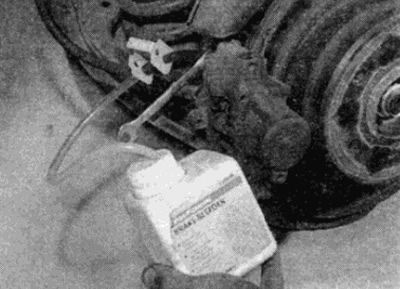
Fig. 2.21. Bleeding the rear brake cylinder
22. The kit is connected to the valve, which is then unscrewed. The user sits in the driver's seat, presses the brake pedal, then slowly releases it. Bleeding is repeated until the liquid flowing out of the tube no longer contains air bubbles.
Article based on data from the website www.mercedesman.ru
23. Keep in mind that this device makes the job so much easier that it is easy to forget about the need to monitor the fluid level in the reserve tank. Make sure that the fluid level never falls below the "MIN" mark.
Releasing air using a pressure release kit
24. These kits usually operate using compressed air contained in the spare tire. However, be aware that you may need to lower the tire pressure than normal - read the instructions that come with the kit carefully.
25. A reservoir with brake fluid under pressure is connected to the reserve tank. The system is bled by alternately opening the valves in the required sequence until the fluid flowing out of the valve no longer contains air bubbles.
26. This method has the advantage that the large volume of liquid provides additional assurance that air will not enter the system during bleeding.
27. Bleeding under pressure is especially effective when removing air from "difficult" systems, as well as when removing air from the entire system after a scheduled fluid change.
All methods
28. After bleeding is complete, when the brake pedal has become "hard", wash off the spilled fluid. Tighten the nipples as far as they will go and put the protective caps on them.
29. Check the fluid level in the master cylinder reserve tank and top up if necessary (see "Weekly check").
30. Dispose of used liquid - it is not suitable for reuse.
31. Check the brake pedal for rigidity. If the pedal moves further after selecting the free stroke, creating elastic resistance, this means that the air has not been completely removed from the system and requires re-bleeding. The presence of air in the system after correct bleeding may be due to wear of the master cylinder seals.
Bleeding air from the hydraulic unit - models equipped with the All Terrain Regulatory System (ASR)
32. On models equipped with the All Terrain Regulatory System (ASR), if the hydraulic system components adjacent to the master cylinder, hydraulic unit, pump and accumulator are touched, then the hydraulic unit reservoir must also be bled while bleeding the main brake system as follows.
33. Remove the cover from the ASR hydraulic unit in the engine compartment to gain access to the pressure reservoir air bleed valve (marked "SP").
34. Place the plastic tube on the valve and place the other end of the tube into the container (see points 13 and 14).
35. Start the engine and let it idle.
36. After making sure that the fluid level in the master cylinder reservoir is maintained at least above the "MIN" mark, open the valve and allow fluid to flow out of the reservoir until no more fluid with air bubbles flows out.
37. When the bubbles stop, tighten the air release valve securely. The pump pressure should continue to be maintained for approximately 30 seconds until full working pressure is present in the tank; the pump operation can be heard. When the pump is switched off, turn off the engine, disconnect the tube and remove the key from the air inlet valve.
38. Wipe up any spilled fluid and install the cover on the hydraulic unit.
39. Check the fluid level in the master cylinder reservoir and top up if necessary (see "Weekly check").