



Warning: Disc brake pads must be changed on both rear wheels at the same time. Never change the pads on only one wheel, as this may cause uneven braking. Dust generated by wear of the pads may contain asbestos, which is hazardous to health. Never blow it off with compressed air or inhale any of this dust. Do not use gasoline-based solvents to clean brake parts. Use only brake cleaner or ethyl alcohol.
1. Where it is installed, remove the pad wear sensor connectors from the caliper body, remembering how the wires are routed.
2. Using a hammer and a suitable punch, carefully knock out the pins and remove the pressure springs (see Fig. 5.2, a, b).
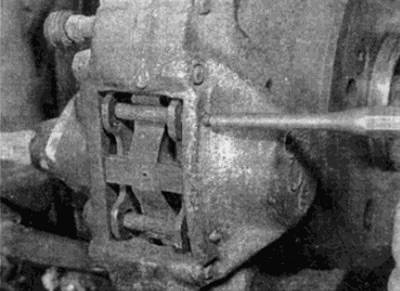
Fig. 5.2, a. Knock out the pins on the rear brake...
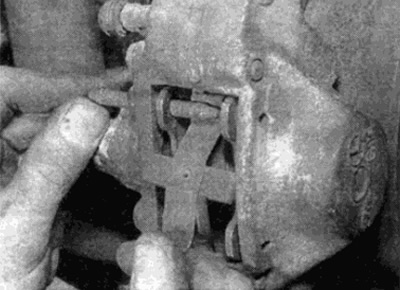
Fig. 5.2, b...and remove the pressure springs
3. Remove the pads from the caliper housing, remembering the correct location of the wear sensors. If necessary, remove the adjusting washers that are installed between the pads and pistons (see Fig. 5.3, a, b).
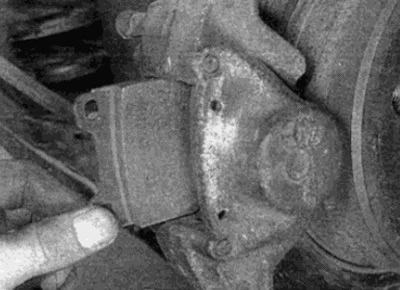
Fig. 5.3, a. Remove the inner shoe...
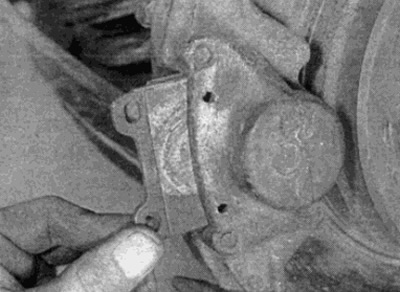
Fig. 5.3, b. and the outer shoe from the caliper
4. Check the condition of the pads as specified in item 4. Replace the pressure springs, pins and washers (if provided), if the brake pads need to be replaced.
5. Brush away any dust or dirt from the caliper and cylinder, but do not inhale it as it is hazardous to your health. Check the cylinder dust boots for damage and for any visible signs of fluid leakage, corrosion or damage. If any are found, the caliper should be repaired - see paragraph 8.
6. When installing new pads, it is necessary to retract the piston of the cylinder to make room for the pads. Use either a vice or a wooden object to lever the piston in. If the fluid level in the reserve tank exceeds the "MAX" mark, remove some fluid from the master cylinder reservoir to prevent overflow when you press the piston in. You can use a syringe or the brake bleeding procedure (see paragraph 2).
Warning: Do not try to suck the liquid by mouth as it is highly poisonous; use a syringe.
7. If the pads have damping linings on the back that connect to the caliper pistons, do not apply any lubricant to the back of the pads. If the back of the pads is flat, apply brake grease to the ends of the pad plate (mercedes-Benz recommends using brake paste number 0019891051); do not apply too much paste so that it does not get on the friction linings (see Fig. 5.7, a, b).
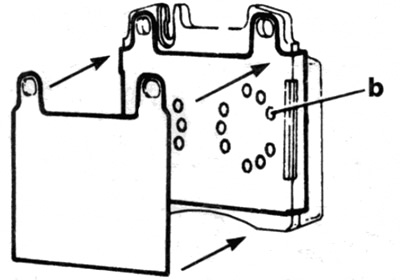
Fig. 5.7. c. If there are damping linings (b) on the back of the pads, do not apply any lubricant to the pad
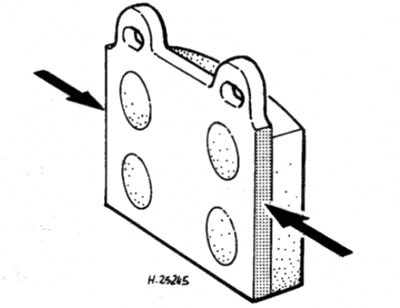
Fig. 5.7, b. If the reverse surfaces of the pads do not have linings, apply grease to the ends of the pad plate (shown by arrows)
8. Make sure the wear sensors are securely installed in the plates of each pad and (where they are installed) install adjusting washers on the back of each pad.
9. Install the pads and (where provided) washers into place in the caliper so that the friction linings are facing the brake disc.
10. Install new pressure springs on top of the pads.
11. Position the pins so that they pass over the top of the spring and drive them into the caliper body until they stop.
12. Make sure the wires are routed correctly and connect them to the wear sensor pads on the caliper.
13. Press the brake pedal several times to press the pads against the brake disc and restore normal pedal pressure.
14. Repeat the steps on the remaining support.
15. Install the wheels, then lower the vehicle to the ground and tighten the wheel bolts to the required torque.
16. Check the fluid level as described in section "Weekly check". Check the brakes thoroughly before driving on the road.
Warning: New pads will not brake effectively until they have been bedded to the discs. Avoid hard braking as much as possible for the first few hundred kilometers.