



Contents: Tensioner ↡ Camshaft Sprocket ↡ Crankshaft sprocket ↡ Auxiliary shaft sprocket ↡ Guide rails ↡ Bottom guide rail - models with…↡ Upper guide rail ↡ Tensioner Rail - Models with Single…↡ Tensioner Rail - Models with Double…↡
Tensioner
Note: A new tensioner cover nut O-ring will be required during installation.
Removal
1. Disconnect the negative battery terminal.
2. Remove the accessory drive belt as described in Chapter 1A.
3. For better access, remove the alternator as described in Chapter 5.
4. Working from the right side of the engine, loosen the tensioner cover nut and remove the spring and sealing ring (see Fig. 8.4, a, b).
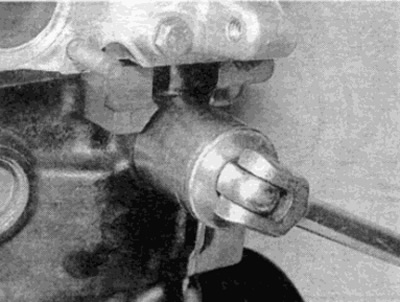
Fig. 8.4, a. Unscrew the chain tensioner cover nut...
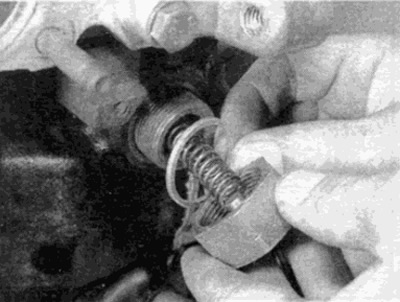
Fig. 8.4, b....and remove the spring and sealing ring
Warning: The cap nut is pressed by the force of the spring compression. Therefore, be prepared for it to slip off when the nut reaches the threaded area.
5. Using the appropriate Allen key or Allen key, unscrew the tensioner housing and remove it from the cylinder block (see fig. 8.5).
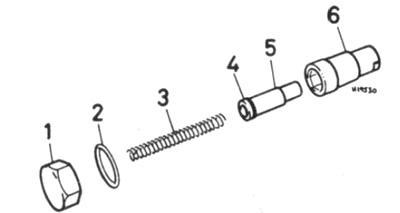
Fig. 8.5. Timing chain tensioner parts
1 Cover nut
2 Sealing ring
3 Spring
4 Retaining ring
5 Pusher
6 Tensioner housing
6. Press the push rod and retaining ring out of the tensioner housing (see fig. 8.6).
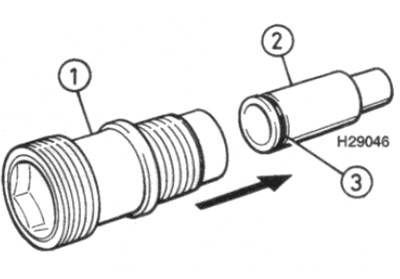
Fig. 8.6. Press the tensioner pusher out of the housing
1 Tensioner housing
2 Pusher
3 Retaining ring
Examination
7. Thoroughly clean the tensioner parts and check the wear of the push rod and tensioner housing.
8. Check the condition of the retaining ring and tensioner spring, and replace if necessary. If there is any doubt about the condition of the spring, replace it.
Installation
9. Screw the tensioner housing into the cylinder block and tighten it to the required torque.
10. Push the push rod together with the retaining ring into the tensioner housing until the push rod reaches the stop in the housing (see fig. 8.10). Remember that the smaller end of the push rod rests against the tensioner beam.
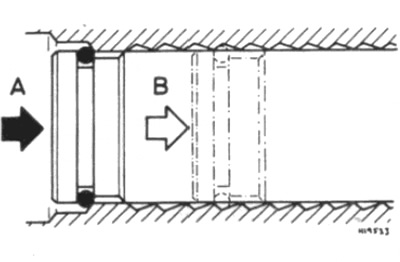
Fig. 8.10. Position of the tensioner pusher
A Initial stop when installing the pusher
In the direction of removal and installation of the pusher
11. Install the spring and new sealing ring onto the cover nut, then push the cover nut down and screw it onto the end of the tensioner housing. Be careful not to "bite" the nut.
12. Tighten the tensioner cover nut to the required torque.
13. Install the generator (see Chapter 5).
14. Install the accessory drive belt as described in Chapter 1A.
15. Connect the negative battery terminal.
Camshaft Sprocket
Removal
16. Remove the air cleaner as described in Chapter 4.
17. Remove the radiator fan blades and shroud as described in Chapter 3.
18. Where installed, remove the hydraulic pump of the suspension leveling system as described in Chapter 10. Let us remind you that the pump can be moved to the side without disconnecting the hydraulic tubes.
19. Remove the camshaft cover as described in paragraph 4.
20. Turn the crankshaft so that the piston of the 1st cylinder is set to the TDC position, making sure that the valve timing marks are aligned as described in paragraph 3.
21. Remove the camshaft timing chain tensioner as described earlier in this paragraph.
22. Using quick-drying paint or a scraper, make marks on the camshaft sprocket and on the corresponding link of the drive chain.
23. Holding the camshaft from turning with a wrench on the flats of the camshaft flange on the back side, unscrew the camshaft sprocket bolt (see Fig. 8.23, a, b).
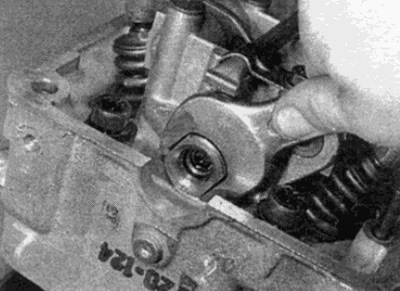
Fig.8.23, a. Hold the camshaft with a wrench by the flange flats on the back side...
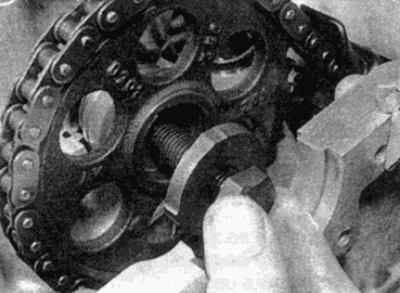
Fig. 8.23.6. ...and unscrew the sprocket bolt and remove the washer
24. Remove the sprocket from the camshaft (on models with self-adjusting suspension together with the driven sleeve of the hydraulic pump), remembering the installation method and separate the sprocket from the chain (see fig. 8.24). Maintain chain tension and support the chain at the top of the case to prevent it from falling off the camshaft sprocket or auxiliary shaft sprockets.
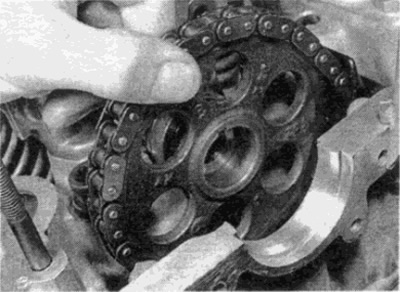
Fig. 8.24. Remove the sprocket from the camshaft
25. Remove the woodruff key and, where necessary, the bushing from the end of the camshaft if they have become loose.
Examination
26. Check the wear on the sprocket teeth. Each tooth forms a reverse V. If they are worn, the stress side of each tooth will be slightly concave when compared to the other side of the tooth (i.e. the teeth will look like a hook). If the teeth are worn, the sprocket should be replaced.
Installation
27. Where provided, install the bushing and woodruff key onto the end of the camshaft.
28. Ensure that the timing marks remain aligned as described in paragraph 3. If a new sprocket is to be installed, transfer the alignment mark from the old sprocket to the new one.
29. Place the chain on the sprocket, aligning the marks made before removal.
30. Place the sprocket on the shaft, making sure it is seated correctly as it was before removal. Note that on single row models, the large protective hub of the sprocket should be facing the shoulder on the shaft (i.e. first the sprocket is installed on the camshaft with the side with the protective hub) and on models with a double-row chain, the curved side of the teeth should face the flange (i.e. first the sprocket is installed with the curved side of the teeth). Where provided, also install the driven sleeve of the hydraulic pump of the self-adjusting suspension system.
31. Install the sprocket mounting bolt and washer. Then tighten the bolt to the required torque while holding the shaft from turning as when removing.
32. Install the chain tensioner as described earlier in this paragraph.
33. Using a suitable wrench, turn the crankshaft by the crankshaft pulley/damper hub bolt two full turns and check that the timing marks remain aligned. If not, the chain is probably out of alignment by one tooth. In this case, remove the sprocket and reposition the target,
34. Install the camshaft cover as described in paragraph 4.
35. Where provided, install the hydraulic pump for the self-leveling suspension system as described in Chapter 10.
36. Install the radiator fan blades and shroud as described in Chapter 3.
37. Install the air cleaner as described in Chapter 4.
Crankshaft sprocket
Removal
Note: A sprocket puller may be required to remove the sprocket.
38. Remove the camshaft timing chain cover as described in paragraph 6.
39. Using quick-drying paint or a scraper, make marks on the camshaft sprocket and on the corresponding link of the drive chain.
40. Remove the camshaft sprocket as described previously.
41. On later models, it may be necessary to remove the chain tensioner rail to disconnect the chain from the crankshaft sprocket. Where provided, remove the tensioner rail as described below.
42. Remove the oil pump drive sleeve from the crankshaft (see fig. 8.42). If the seal is tight, it can be removed with the crankshaft sprocket later.
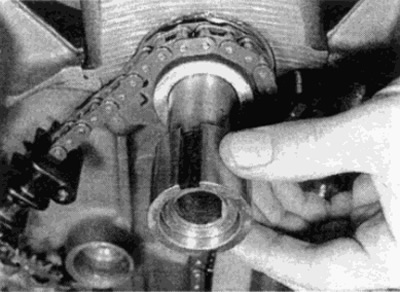
Fig. 8.42. Removing the split oil pump drive bushing from the crankshaft
43. Disconnect the chain from the crankshaft sprocket.
44. Remove the crankshaft sprocket from the front of the shaft. If the sprocket is tight, you can use two large screwdrivers on each side of the sprocket as levers. You can remove the sprocket (and, where required, the oil pump drive bushing) using a puller. To install the sprocket back correctly, remember its position.
45. Remove the woodruff key from the shaft if it has become loose.
Examination
46. For information on checking the sprocket, refer to item 26.
47. Check the wear of the drive surface of the oil pump drive seal. If severe wear is evident, the sprocket must be replaced.
Installation
48. Install the woodruff key onto the end of the shaft.
49. If a new sprocket is to be installed, transfer the position mark from the old sprocket to the new one.
50. Drive the sprocket onto the shaft using a metal pipe. Make sure the sprocket is aligned with the woodruff key or locating pin, if used,
51. Install the oil pump leading seal.
52. Place the chain on the crankshaft sprocket, making sure that the marks made when removing the sprocket are aligned.
53. Where required, install the camshaft timing chain tensioner rail as described later in this paragraph.
54. Install the camshaft sprocket as described previously.
55. Install the chain cover as described in paragraph 6.
Auxiliary shaft sprocket
56. The sprocket is an integral part of the auxiliary shaft. Removal and installation of the auxiliary shaft are described in paragraph 9.
Guide rails
57. Remove the chain cover as described in paragraph 6.
58. Pull the chain guides off the clamps (see Fig. 8.58, a, b).
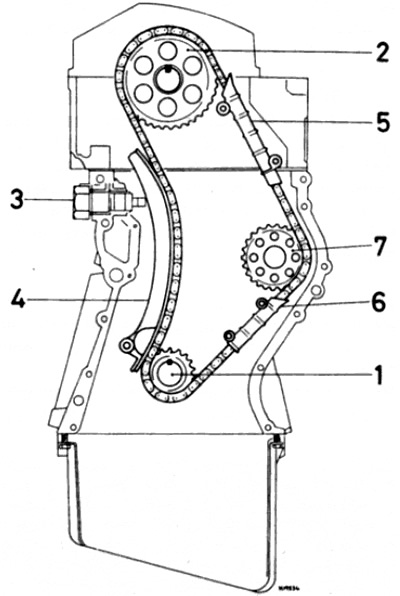
Fig. 8.58, a. Camshaft drive chain - models with single-row chain
1 Crankshaft sprocket
2 Camshaft sprocket
3 Chain tensioner
4 Tensioner rail
5 Upper guide rail
6 Bottom guide rail
7 Auxiliary shaft sprocket
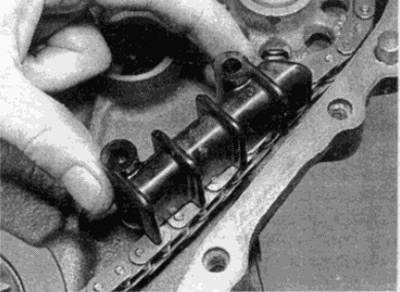
Fig. 8.58, b. Removing the lower guide rail - models with a single-row chain
59. Check the rail for wear, cracks or damage. If found, replace.
60. To install, simply press the guide rail into place, making sure it is securely fastened.
61. Install the chain cover as described in paragraph 6.
Bottom guide rail - models with double row chain
62. Remove the auxiliary shaft as described in paragraph 9.
63. Remove the chain from the crankshaft sprocket.
64. Pull the crankshaft sprocket forward off the end of the shaft to provide enough clearance to remove the guide rail. If the sprocket is tight, you can use two large screwdrivers on each side of the sprocket as levers. The sprocket can be removed (and, where required, the oil pump drive bushing) using a puller.
65. Remove the chain guide from the clips.
66. Check the rail for wear, cracks or damage. If found, replace.
67. To install, simply press the guide rail into place, making sure it is securely positioned.
68. Tap the sprocket onto the shaft using a metal pipe. Make sure the sprocket is aligned with the woodruff key or locating pin, if used.
69. Install the oil pump leading seal.
70. Place the chain on the crankshaft sprocket, making sure that the marks made when removing the sprocket are aligned.
71. Install the auxiliary shaft as described in paragraph 9.
Upper guide rail
Note: This operation requires a puller and adapter. When installing the guide rail, sealant must be applied to the ends of the clamps.
72. Remove the camshaft sprocket as described previously.
73. Screw a suitable bolt into one of the guide rail pins (accessible from the front of the cylinder head).
74. Install the puller and adapter with the bolt, and use the puller to pull out the rail pin (see Fig. 8.74, a, b).
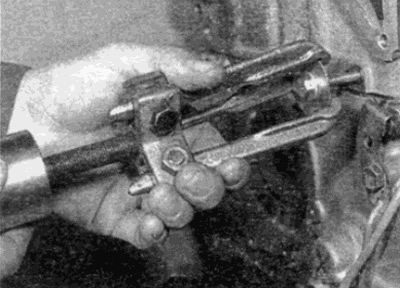
Fig. 8.74. a. Use a puller, adapter and suitable bolt...
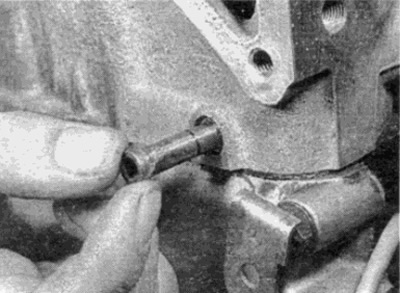
Fig. 8.74, b....to remove the pin of the upper guide rail
75. Repeat the procedure for the remaining pin, being careful not to allow the rail to slide down the chain into the housing when the pin is removed.
76. Remove the guide rail from the cylinder head (see fig. 8.76).
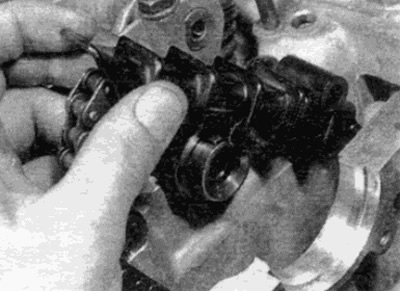
Fig. 8.76. Removing the upper guide rail from the cylinder head
77. Check the rail for wear, cracks or damage. If found, replace.
78. Position the rail in place in the housing, then position the pins into the holes in the cylinder head and drive them in to hold the rail in place.
79. Apply sealant to the outer collar of each pin where it fits into the cylinder head, then drive the pins into the cylinder head until they bottom out. Make sure the retainer on the rail aligns with the groove in the upper dowel pin.
80. Install the camshaft sprocket as described earlier in this paragraph.
Tensioner Rail - Models with Single Row Camshaft Drive Chain
Removal
81. Remove the chain cover as described in paragraph 6.
82. Remove the camshaft sprocket as described earlier in this paragraph.
83. Rotate the tensioner rail as far as necessary to allow the axle to be removed (see fig. 8.83).
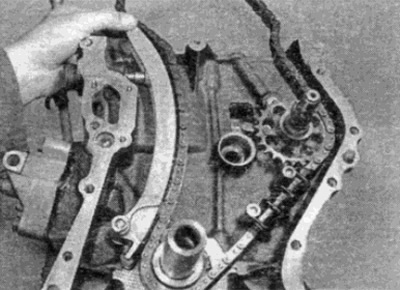
Fig. 8.83. Removing the tensioner rail - models with a single-row camshaft drive chain
Examination
84. Check the rail for wear, cracks or damage. If found, replace.
Installation
85. Press down on the rail, making sure it is correctly positioned over the axle.
86. Install the camshaft sprocket as described previously.
87. Install the camshaft timing chain cover as described in paragraph 6.
Tensioner Rail - Models with Double Row Timing Chain
Removal
Note: A puller and adapter are required to perform this operation. A new tensioner rail axle is required for installation.
88. Remove the chain cover as described in paragraph 6.
89. Remove the camshaft sprocket as described previously.
90. Drill a small hole (approximately 5.8 mm) at the end of the tensioner rail axis, then use the appropriate tap (Mb) to cut a thread approximately 10 mm deep from the end of the axis.
91. Screw a small bolt into the end of the axle, then install a puller with an adapter on the bolt and pull out the axle (see fig. 8.91).
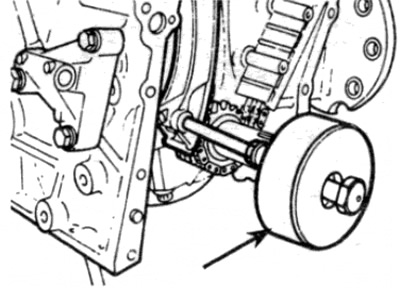
Fig. 8.91. Using the puller (shown by arrow) for removing the tensioner rail axle - models with a double-row drive chain
92. Remove the tensioner rail.
Examination
93. Check for excessive wear, cracks or damage to the rail. If found, replace.
Installation
94. Position the rail in place, then use a hammer and drift to drive in the new axle.
95. Install the camshaft sprocket as described previously.
96. Install the camshaft timing chain cover as described in paragraph 6.