



Warning! Burns may occur when the engine is hot.
Sequence of works


"120,000 km every 4 years"
1. Carefully remove the expansion tank cap.
2. Release excess pressure from the cooling system.
3. Set the heating regulator on the instrument panel to "Heiss" (hot). This opens the cooling circuit of the heating system.
4. Remove the crankcase guard.
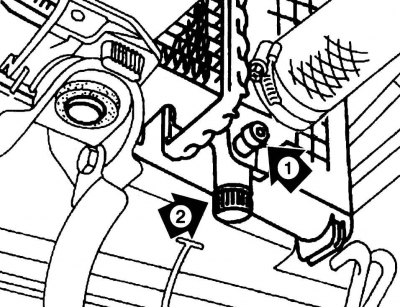
Fig. 4.45. Radiator drain plug: 1 – hose nozzle fitting; 2 – plug
5. Place a collecting container under the radiator and engine, unscrew the drain plug on the bottom of the radiator (Fig. 4.45) and drain the coolant. Attach a short hose (internal diameter – 12 mm) to the side fitting to direct the liquid into the container.
6. Place a hose (internal diameter – 14 mm) onto the drain nipple on the right side of the engine block and open it.
7. Remove the cap from the expansion tank.
8. Drain the coolant and close the receiving container.
9. Tighten the plugs on the engine block and on the radiator.
10. Slowly pour coolant through the filler neck on the expansion tank up to the marking.
11. Start the engine and let it run at high speed for about 2 minutes. At the same time, constantly add coolant to the expansion tank.
12. Close the expansion tank cap.
13. Leave the engine running until the fan turns on.
14. Stop the engine.
15. If necessary, add coolant up to the marking.
16. Warm up the engine. Air from the cooling system will come out through the expansion tank cap. Check the coolant level again on a cold engine. Add a little water if necessary.
17. Put the crankcase guard back in place.
Filling with antifreeze
If you want to check the antifreeze content of your coolant, you will need a hydrometer, which measures the specific gravity (density) of the liquid.
Attention! Daimler-Benz permits the use of antifreezes of its own manufacture only. In case of malfunctions caused by the use of antifreezes of other manufacturers, the warranty is invalid. Do not add more than 50% antifreeze to increase the frost resistance of the coolant, this will negatively affect its cooling properties. If you do not have a special hydrometer for antifreeze, subtract +2...+3°C from the average value measured by a conventional hydrometer.
Sequence of works


1. Remove the crankcase guard.
2. Place a collecting container under the radiator and engine.
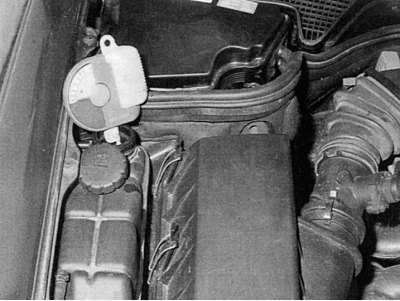
Fig. 4.46. Antifreeze concentration indicator (hydrometer)
3. Remove the coolant from the expansion tank or unscrew the drain plug on the radiator and drain approximately 1–2 liters of liquid (Fig. 4.46).
4. Add the required amount of antifreeze to the expansion tank. If necessary, top up with the remaining drained liquid.