



Salt sprayed on roads in winter gets through cracks under the hood and settles on the radiator, cables and other parts. This salt deposit prevents moisture from evaporating and increases corrosion.
After washing, check if there is enough grease in the levers and rods, control cable. Lubricate them additionally if necessary.
Sequence of works


Washing is carried out on a cold engine, since on a warm engine the cleaning agent will evaporate without having time to affect the dirt film.
1. Turn off the ignition.
2. Cover the electronic unit, generator and fuel supply system with a rag or plastic bag, otherwise interference with the ignition or on-board electronics will certainly occur.
[Article was borrowed from the website: mercedesman.ru]
3. Start with the hood. Rinse it with plenty of water, then clean it with car shampoo using a sponge, and rinse it with water again. Don't forget about the engine stiffeners - that's where the most dirt accumulates.
4. Wash the radiator with plenty of water using a narrow hose nozzle. Treat areas with insect remains with a protein-dissolving detergent (dishwashing liquid).
Caution! Hard brushes can damage the soft radiator fins.
5. Wash the grooves and profiled parts.
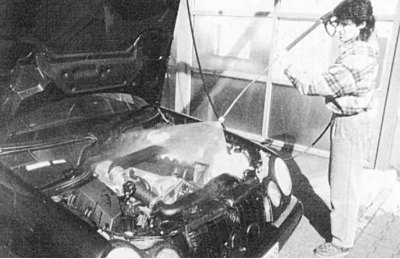
Fig. 3.9. Engine wash
6. Spray heavily soiled areas of the engine and engine compartment with engine cleaning agent, wait 1–2 minutes and rinse with a powerful stream of water (Fig. 3.9).
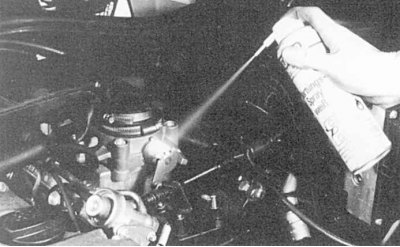
Fig. 3.10. Treatment of the engine with heat-resistant protective varnish
7. To remove water from the engine area after washing, use a compressed air gun.
Engine protection varnish
To reduce dirt accumulation on the engine and in the surrounding area, treat the engine and the periphery with a special heat-resistant protective varnish (). For other areas, it is sufficient to use a spray or protective agent for preservation (Fig. 3.10).