



Contents: Removal ↡ Installation ↡
Note: New axle bolt nuts will be required for installation. On the lower rod (transverse) you will also need a new ball joint nut.
Removal
Note: If more than one adjuster rod is removed at the same time, support the lower control arm with a jack and a block of wood.
1. Place chocks under the front wheels, then raise the rear of the vehicle with a jack and securely support it on stands (see "Lifting the car with a jack and placing it on supports"). Remove the corresponding wheel.
Upper camber control rod
2. Loosen and remove the nut and pull out the axle bolt securing the rod to the hub holder (see fig. 13.2).
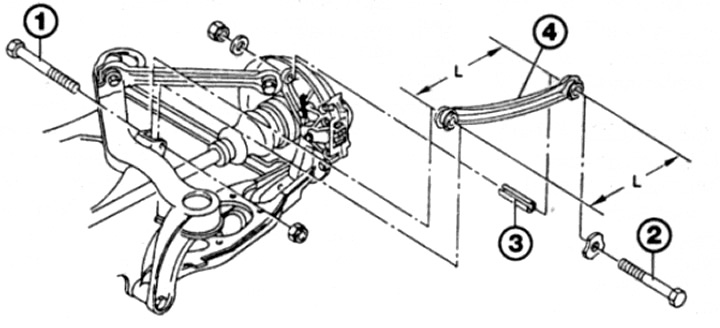
Fig. 13.2. Upper camber control rod fastenings
3. Loosen and remove the nut and pivot pin securing the rod to the subframe. Remove the rod from the vehicle. If necessary, knock the metal bushing out of the rubber bushing of the hub holder.
4. Inspect the rod, paying particular attention to the rubber bushings. If wear is detected on the bushings or axle bolts, replace the parts.
Upper Diagonal Bar
5. Remove the rod as described in steps 2 through 4, omitting the notes about the metal bushing (see fig. 13.5).
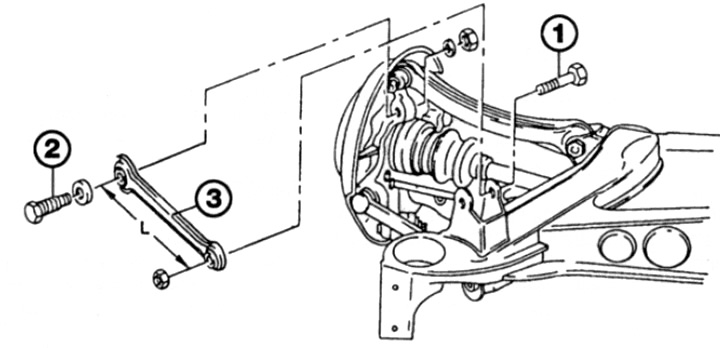
Fig. 13.5. Upper diagonal bar fastenings
1 Inner axle bolt
2 Outer axle bolt
3 Barbell
L = 247 + 0.3 mm
Lower longitudinal push rod
6. Remove the barbell as described in steps 2 through 4 (see fig. 13.6).
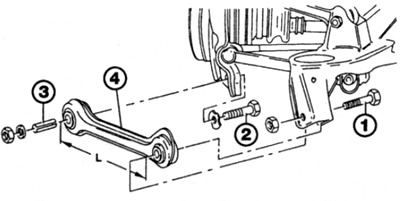
Fig. 13.6. Fastening the lower longitudinal push rod
Lower crossbar
7. Before removal, make alignment marks between the inner rod bolt, eccentric washers and subframe. This is necessary to ensure the same rear wheel alignment during installation (see fig. 13.7).
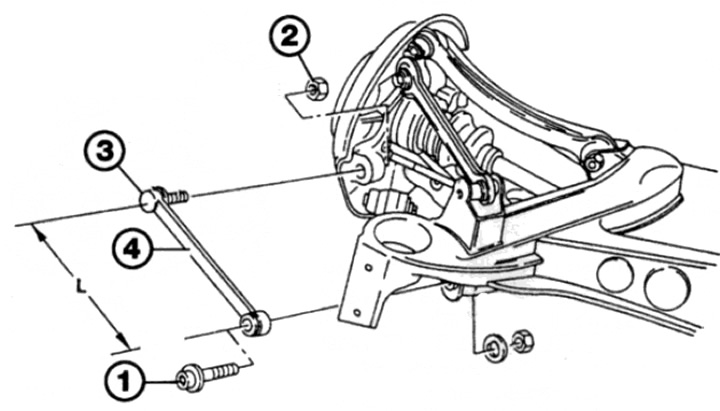
Fig. 13.7. Lower crossbar fastenings
1 Inner axle bolt
2 Outer fastening nut
3 Outer axle bolt
4 Barbell
L = 245 + 0.5 mm
8. Loosen and remove the nut and eccentric washer and remove the axle bolt securing the rod to the subframe.
9. Remove the nut from the ball joint pin, then separate the joint from the hub holder and remove the rod from the car. If necessary, use a ball joint puller.
10. Check the bearing bushings for damage and make sure the joint moves without jamming and the boot is not damaged. Replace the rod if necessary.
Installation
Upper camber control rod
11. Where necessary, hammer the metal bushing into place into the rubber bushing of the hub carrier.
12. Put the rod in place and insert the axle bolts. Install new nuts on the bolts and, at this stage, tighten them by hand.
13. Install the rear wheel, then lower the vehicle to the ground and tighten the wheel bolts to the required torque.
14. When the vehicle is on the ground, rock it to bring the bar into the desired position, then tighten the axle bolt nuts to the required torque.
Upper Diagonal Bar
15. Install the barbell as described in paragraphs 11-14.
Lower longitudinal push rod
16. Install the barbell as described in paragraphs 11-14.
Lower crossbar
17. Maneuver the rod into place, then insert the inner axle bolt, eccentric washer and install a new mounting nut. Align the marks made before removal and lightly tighten the nut.
18. Install the new mounting nut onto the ball joint pin and tighten it to the required torque.
19. Install the rear wheel, then lower the vehicle to the ground and tighten the wheel bolts to the specified torque.
20. With the vehicle on the ground, rock it to position the bar correctly. Make sure the marks on the subframe, eccentric washers and axle bolt have not shifted. Then tighten the axle bolt nuts to the required torque.
Note: It is recommended to have the rear wheel alignment checked at a service station as soon as possible.