



Lock cylinder
Removal
1. Using a small screwdriver, carefully pry up the lock cylinder trim (see fig. 19.1).
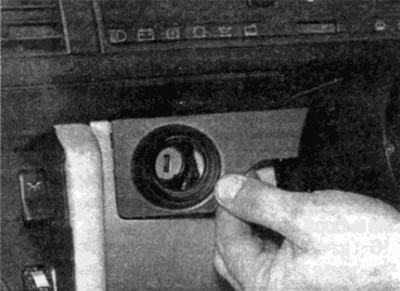
Fig. 19.1. Remove the ignition switch/steering column trim (the steering wheel has been removed for clarity)
2. Insert the ignition key and turn the switch to the "I" position.
3. Bend a suitable piece of wire with a diameter of 2.0 mm (it is best to use a welding electrode) into the shape of the letter "P" and file the ends at an angle of 70 (see fig. 9.3).
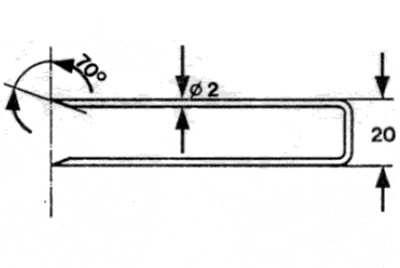
Fig. 19.3. The device required to remove the ignition switch (dimensions in mm)
4. Insert the removal tool into the slots on each side of the lock cylinder and push the wire inward to compress the lock cylinder latches.
5. Remove the lock using the ignition key (see fig. 19.5).
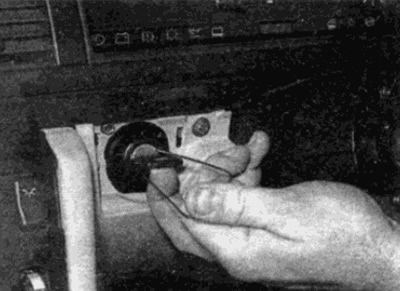
Fig. 19.5. Turn the lock to the "I" position, then insert the tool and pull the unit out of the socket
6. Remove the puller and ignition key, then pull the cylinder out of the housing (see fig. 19.6).
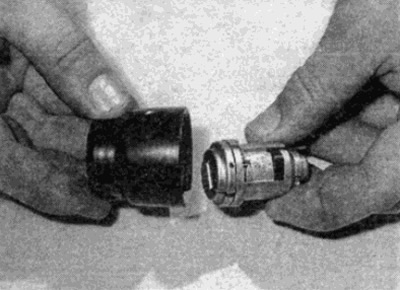
Fig. 19.6. Remove the ignition key and separate the cylinder and housing
Installation
7. To reinstall, insert the lock cylinder into the socket in the steering column, aligning the raised part with the groove in the socket.
8. Install the housing with the slot facing the steering column on top of the cylinder.
9. Insert the ignition key, turn it to position "I" and press the cylinder and housing into the socket until it stops.
Note: When installing, the edge of the ignition key should point towards the mark on the cover, which indicates that the cover latch is correctly installed.
10. Check the operation of the lock and lock cylinder, then install the trim.
Switch assembly
Removal
11. Disconnect the negative battery terminal.
12. Remove the lock cylinder as described in points 1 to 6, taking into account that the switch must be in the "I" position.
13. Remove the lower portion of the instrument panel on the driver's side as described in Chapter 11.
14. Disconnect the connectors from the switch, remembering the installation order and how the wires are laid.
15. On diesel models, mark the alignment between the vacuum hoses and the switch and disconnect the hoses from the side of the switch housing. On automatic transmission models, you will need to unscrew the gear selector lock cable from the lock (see fig. 19.15).
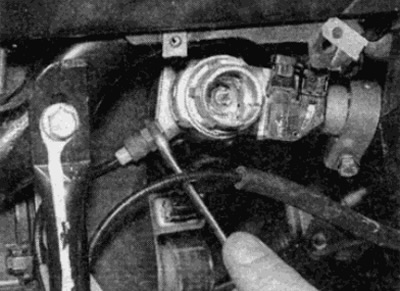
Fig. 19.15. On models with automatic transmission, unscrew the nut and disconnect the lock cable from the lock housing
16. Loosen the switch clamp bolt, then press the locking rod and remove the switch from the column (see fig. 19.16. a-c).
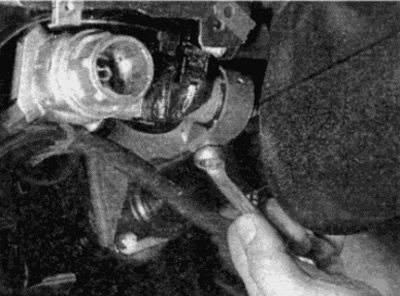
Fig. 19.16, a. Loosen the clamp bolt...
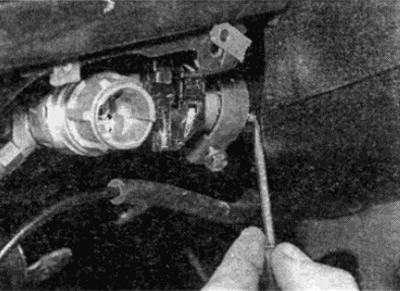
Fig. 19.16, b....then press the retainer rod...
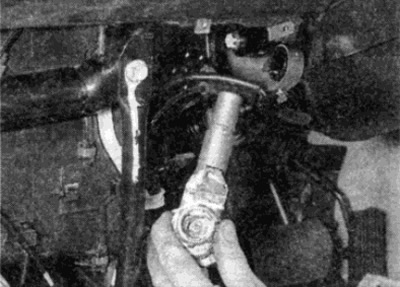
Fig. 19.16, c....and remove the lock housing from the steering column
Installation
17. Installation is carried out in reverse order, taking into account the following points:
- a) Make sure the key remains in position "I".
- b) When installing the switch on the steering column, make sure that the locking pin is located in the hole in the steering column and tighten the clamp bolt securely.
- c) Make sure the wires are routed correctly and connected securely.
- d) On diesel models, ensure vacuum hoses are properly connected.
- d) Before installing the lower instrument panel panel, insert the lock cylinder and check the operation of the unit.
Ignition switch contact plate
Removal
18. Remove the switch assembly as described in steps 11 through 16.
19. Loosen the mounting screws and remove the contact plate from the back of the switch (see fig. 19.19).
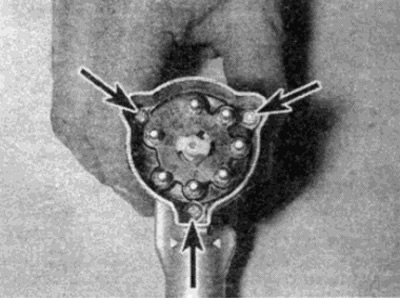
Fig. 19.19. Ignition switch contact plate mounting screws
Installation
20. Install the contact plate, making sure that the boss fits correctly into the slot in the switch socket. Install the mounting screws and tighten them securely.
21. Install the switch as described in paragraph 17.