



The pistons and cylinders of the engine are divided into three groups by size and are designated 0, 1, and 2. The group number is stamped next to the cylinder on the split surface of the cylinder block, as shown by the arrow in Fig. 64. The piston group number must always correspond to the cylinder group number. Piston designation, arrow (indicates the front side of the engine) and the group number are stamped on the piston head.
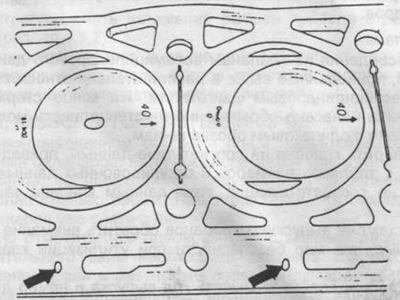
Fig. 64. Designation of size groups on the cylinder block.
Each piston and connecting rod should be marked with the cylinder number from which they were removed. It is best to do this with paint on the piston head and mark the direction towards the front of the engine with an arrow.
When disassembling the piston, mark the position of the connecting rod cap and connecting rod, designating them with an arrow and the cylinder number. The designation can be applied with a center punch (1 notch - cylinder No.1, etc.), as shown in Fig. 65.
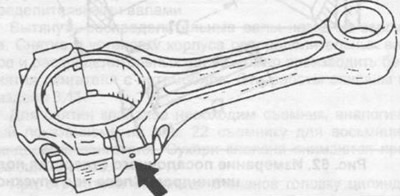
Fig. 65. Designation of the connecting rod cap and connecting rod before disassembly.
Mark the connecting rod bearings and connecting rod caps accordingly. The connecting rod bearing has a hole for supplying oil to the piston pin.
Remove the connecting rod cap and the bearing shell and, as described above, remove the remaining parts from the cylinder block. If necessary, scrape off the carbon deposits on the upper cylinder belt.
Full article available on the resource www.mercedesman.ru
Remove the retaining rings and press out the piston pin using a mandrel.
Use pliers to remove the piston rings. If the rings are to be reused, they must be marked. If pliers are not available, metal strips can be used to remove the rings, which are inserted between the piston and the inner surface of the ring. The strip must extend beyond the edge of the piston head to avoid damaging the cylindrical surface of the piston.