



Warning: Brake fluid is poisonous: if it comes into contact with skin, wash it off immediately and thoroughly; if the fluid gets into your stomach or your eyes, seek immediate medical attention. Some types of hydraulic fluid are flammable and may ignite when in contact with hot parts; when servicing a hydraulic system, it is best to treat any fluid as flammable and take appropriate precautions, just as you would with gasoline. Brake fluid has a discoloring effect, especially on plastics, so if the fluid spills, it should be washed off the surface with plenty of clean water. Finally, it should be noted that the fluid is hygroscopic (it absorbs moisture from the air). Old fluid may be contaminated and unsuitable for further use. When adding or replacing fluid, always use the recommended type of fluid, and make sure the fluid is fresh and stored in a well-sealed container.
Removal
1. The main hydraulic cylinder is located in the passenger compartment and is mounted on the clutch and brake pedal bracket (see fig. 5.1). Hydraulic fluid for the unit is supplied through a flexible rubber hose connected to the brake system reserve tank in the engine compartment.
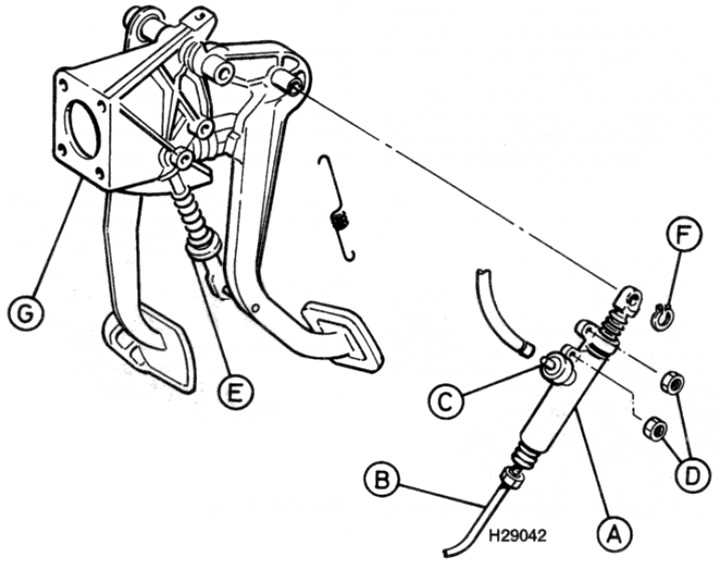
Fig. 5.1. Clutch master cylinder and pedal assembly
A. Master cylinder
B. Hydraulic tube nipple
C. Hydraulic hose nipple
D. Fastening nuts
E. Clutch spring
F. Retaining ring
G. Pedal assembly
2. Disconnect the negative battery terminal.
3. Remove the driver's side lower instrument panel trim panel to gain access to the master cylinder and pedal assembly.
4. Pull back the butt mat and cover the floor under the pedal to protect from spills.
5. To reduce fluid loss, use a clean syringe to remove fluid from the appropriate chamber of the brake system reserve reservoir until its level drops below the level of the clutch master cylinder intake tube.
6. Place a suitable container under the master cylinder to catch any spilled fluid.
7. Loosen the hydraulic tube fitting on the master cylinder and carefully pull the tube out. Plug the open ends of the tube and cylinder to prevent contamination and reduce fluid loss.
8. Unscrew the two nuts securing the cylinder to the pedal bracket.
9. Pull the pedal up and remove the clutch spring thrust washer, spring and washer from the push rod (see fig. 5.9).
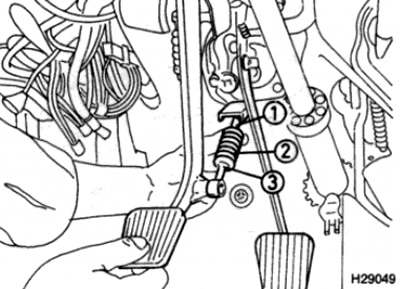
Fig. 5.9. Pull the pedal up and remove the clutch spring thrust washer (1), spring (2) and washer (3) from the push rod
10. Using a screwdriver or suitable pliers, remove the retaining ring securing the end of the master cylinder pushrod to the pedal.
11. Disconnect the hydraulic pipes from the master cylinder (be prepared for some liquid to spill), then pull the unit out of the niche under the driver's feet.
Disassembly
12. Remove the dust cover on the tappet from the cylinder body to gain access to the retaining ring (see fig. 5.12).
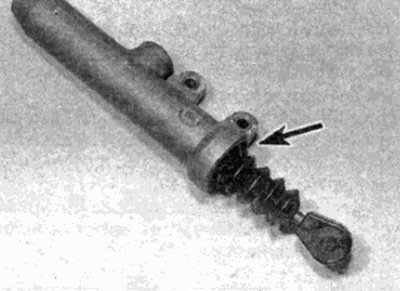
Fig. 5.12. Remove the dust cover (shown by arrow)
13. Using circlip pliers, remove the circlip, then remove the retaining washer (see Fig. 5.13, a, b).
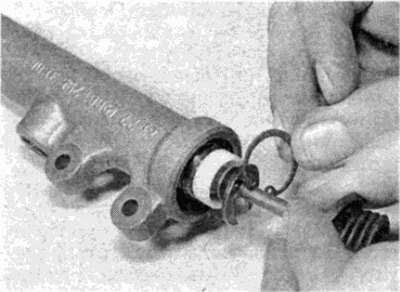
Fig. 5.13, a. Remove the retaining ring...
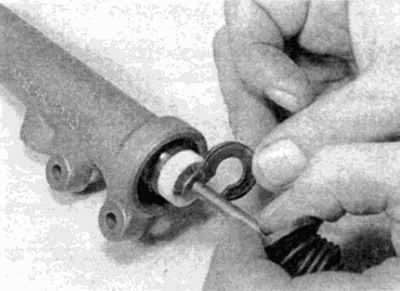
Fig. 5.13, b....and the fastening washer
14. Remove the pusher and piston from the cylinder, followed by the piston spring (see Fig. 5.14, a, b).
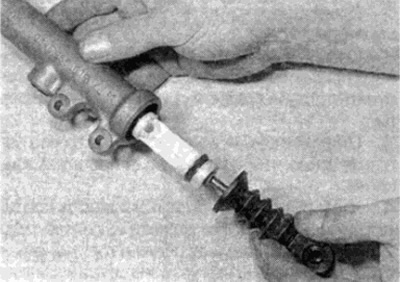
Fig. 5.14, a. Remove the pusher and piston...
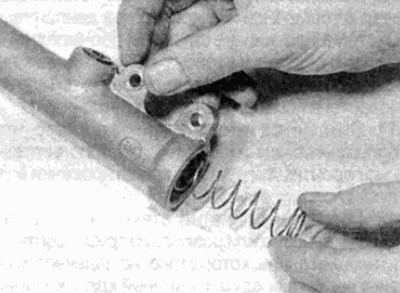
Fig. 5.14, b....then the piston spring
15. Remove the end cap and the shut-off valve at the end of the piston (see fig. 5.15).
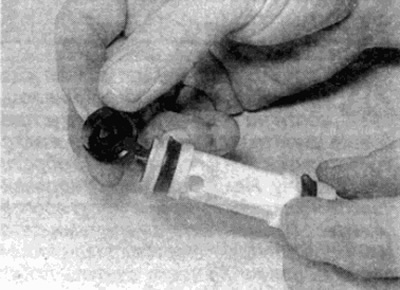
Fig. 5.15. Remove the end cap and piston shut-off valve
16. Wash all parts in clean hydraulic fluid, then position them for inspection.
17. Check the inside surface of the cylinder and the piston. If scoring or wear steps are found, replace the cylinder assembly. If the cylinder is in good condition, a repair kit consisting of new rubber seals should be purchased. Never use old seals.
18. Remove the old seal from the piston and install the new one using only your fingers. To make installation easier, lubricate the gasket with clean hydraulic fluid. Make sure the sealing lip faces the piston spring.
19. Lubricate the inner surface of the cylinder and insert the spring.
20. Position the check valve and end cap on the piston and carefully insert the piston into the cylinder bore.
21. Install the mounting washers on top of the pushrod, followed by the retaining ring.
22. Push the piston down the cylinder bore slightly and insert the retaining ring into the groove. Make sure the retaining ring is securely seated.
23. Install the dust cover in place and position its end over the end of the cylinder.
Text republished from the website: mercedesman.ru
Installation
24. Installation is carried out in reverse order, taking into account the following points.
- a) Begin assembly by installing the washer, clutch spring and spring thrust washer on the master cylinder pushrod. Insert into the guide on the pedal bracket by pressing the clutch pedal.
- b) Make sure that the master cylinder pushrod eye is installed with the flange facing the pedal.
- c) Do not install the driver's side lower trim panel until you have checked the tappet adjustment (see item 25).
- d) When finished, bleed the clutch hydraulic system as described in paragraph 6, then check the tappet adjustment as described in the following points.
Pusher adjustment
Note: This operation requires a pressure bleeding kit (see paragraph 6). Pumping is done by two people.
25. To access the clutch slave cylinder, apply the parking brake, then jack up the front of the vehicle and place it on supports (see "Lifting the car and placing it on supports"). Using a clean syringe, remove approximately half of the fluid from the appropriate chamber of the brake system reserve reservoir.
26. Insert some metal strips (approximately 60.0x20.0x1.0 mm) between the upper limiter of the clutch pedal and the rubber buffer (see fig. 5.26).
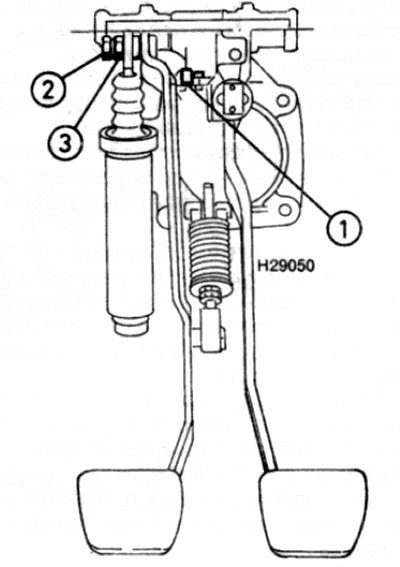
Fig. 5.26. Adjusting the clutch master cylinder pusher
1 Metal strips
2 Tightening screw
3 Adjustment screw
27. Remove the dust cap and clean any dirt around the slave cylinder air bleed valve.
28. Place the wrench and tube onto the air release valve. Connect the free end of the tube to a pressure bleeding device (see paragraph 6).
29. Using the key, unscrew the air release valve.
30. Working in the driver's footwell, loosen the tightening screw on the pushrod eccentric adjusting screw on top of the clutch pedal.
31. Ask an assistant to monitor the fluid level in the tank.
32. Slowly turn the eccentric adjusting screw until the fluid level in the reservoir rises, then slowly turn the screw back until the fluid level stops rising.
33. Secure the adjusting screw by tightening the clamping screw.
34. Remove the metal strips from the pedal limiter. The fluid level in the reservoir should increase.
35. Tighten the air release valve and disconnect the hose and pressure bleeder. Install the valve dust cap.
36. Add the remaining liquid into the tank (see "Weekly check").
37. Check the operation of the clutch with the engine running.
38. When finished, install the lower decorative trim panel on the driver's side.