



Contents: Main fuses ↡ Relay ↡
Main fuses
1. The fuses are located on the central mounting block, located at the rear of the engine compartment on the right side (see fig. 3.1). Some models may have several additional fuses located in the auxiliary fuse box, which is located behind the main fuse box.
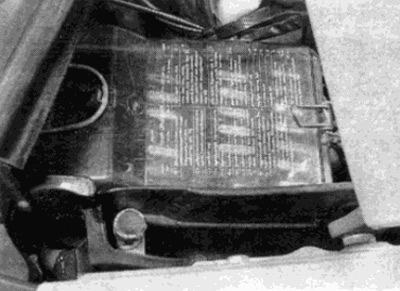
Fig. 3.1. Location of the central mounting block in the engine compartment
2. To access the fuses, loosen the front fuse cover latch, then unclip and remove the cover (see fig. 3.2).
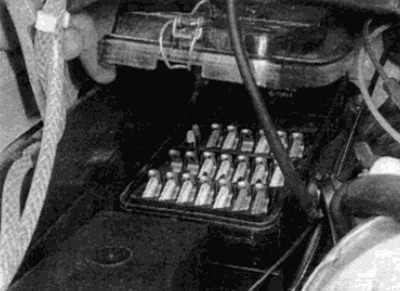
Fig. 3.2. Lift the cover of the central mounting block
3. The list of circuits protected by the fuse is provided on the label attached to the inside of the fuse box cover.
(Original can be found on the website: www.mercedesman.ru)
4. To remove a fuse, first turn off the desired circuit (or ignition), then pull the fuse out of the terminals of the block. The wire inside the fuse should be visible. If the fuse is blown, it should be destroyed or melted (see fig. 3.4).
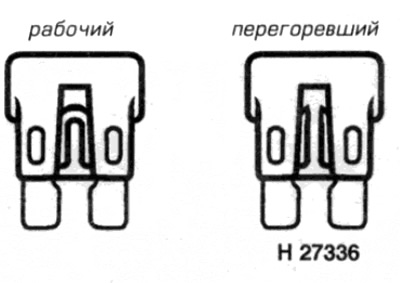
Fig. 3.4. A blown fuse can be identified by a melted or broken wire
5. Always replace the fuse with one of the same current, never use a fuse with a current different from the required one and do not "bug". Never replace a fuse more than once. before you find out and eliminate the cause of the burnout. The current for which the fuse is designed is knocked out on the top of the body. Remember that fuses are also color-coded.
6. If a new fuse blows immediately, find the cause before reinstalling. The most likely cause is a short circuit to ground due to poor insulation. Where a fuse protects more than one circuit, try to determine the cause of the fault by switching on one circuit at a time (if possible) each circuit until the fuse blows again. Always keep spare fuses of different current ratings on the vehicle. Spare fuses should be clipped to the base of the fuse box.
Relay
7. The relays are located on the central mounting block behind the fuses and also on an additional holder located immediately in front of the main block (see fig. 3.7).
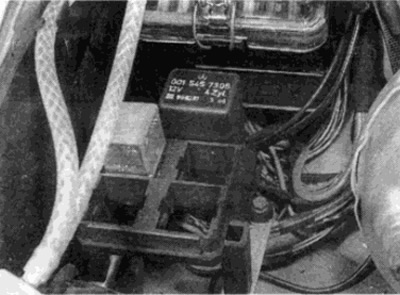
Fig. 3.7. Location of additional relay holder
8. If the faulty circuit or system component is controlled by a relay, and the relay is suspected to be the cause of the fault, turn on the system. When a working relay is triggered, a clicking sound should be heard. In this case, the faulty system may be caused by components or secondary wiring in the circuit. If the relay does not operate, then either the relay is not supplied with power, or the relay itself is faulty. The test consists of replacing the faulty relay with a known good one. However, be careful, because relays may differ in functionality despite their external similarity.
9. To remove a relay, first check that the corresponding circuit is switched off. The relay can simply be pulled out of the socket and a new one inserted by pressing on the housing.