



Contents: Checking the operation of indicator…↡ Checking the signal operation ↡ Checking the operation of the…↡ Checking the operation of windshield…↡
Checking the operation of indicator and signal lights
1. Turn the ignition key to position "2" and apply the parking brake. The following indicator lights should come on: (see figure 1.23):
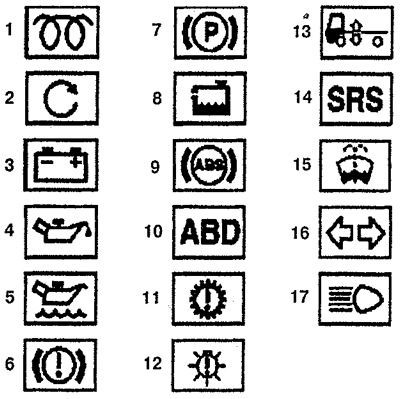
Figure 1.23. Indicator and signal lights.
- 1 - Pre-glow bulb / immobilizer (diesel engines);
- 2 - immobilizer (gasoline engines);
- 3 - battery charging indicator light;
- 4 - oil pressure indicator light;
- 5 - engine oil level light;
- 6 - brake fluid level/brake lining wear indicator light;
- 7 - Parking brake;
- 8 - Coolant oil level indicator light;
- 9 - ABS;
- 10 - Automatic transmission control unit;
- 11 - indicator or signal lamp malfunction light;
- 12 - Air suspension indicator light;
- 13 - airbags and fuel supply.
After a few seconds, the lights should go out in the following sequence: Immobilizer, ABS, ABD, Automatic Transmission Control Unit, Air Suspension, Airbags (SRS) and Fuel Supply. If there is a fault in the system, then the light will be on continuously. After calculating the starting temperature, the pre-glow lamp goes out.
2. Start the engine. All lights except the parking brake light should go out. If the coolant level is low, the brake fluid level, cooling system fluid level or windshield washer fluid reservoir (15) is low, the indicator lights will be on continuously.
3. Check other indicator lights, such as turn signals 16, headlights 17.
Checking the signal operation
4. Press the contact plate on the steering wheel (see figure 1.23).
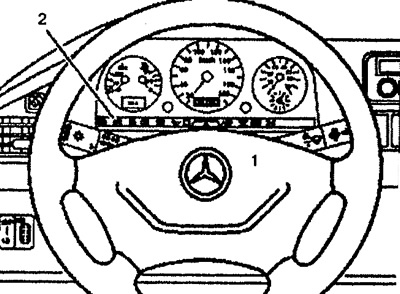
Figure 1.24. Checking the signal operation.
1. Steering wheel,
2. Instrument panel.
Checking the operation of the multi-function switch
5. Turn headlight switch 1 to position
 and press up the fog light switch 2 (see figure 1.25, 1.26). Check the side lights, fog lights, parking lights, and rear fog light for functionality.
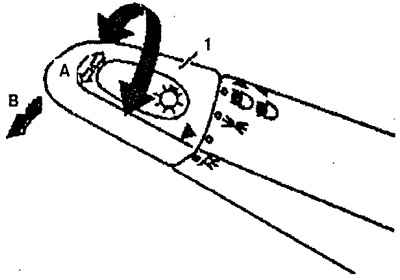
Figure 1.25. Checking the side and parking lights.
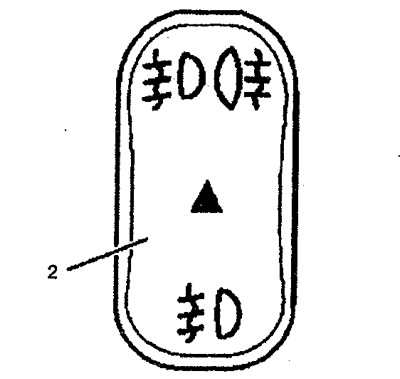
Figure 1.26. Checking fog lights.
6. Turn headlight switch 1 to position
 and check the low beam headlights in position A and the high beam in position B.
7. Turn headlight switch 1 to position
 and move the multifunction switch to position D and position E. Check the right parking light in position D and the left one in position E.
8. Turn on the ignition.
9. Move the switch to position D and E (see figure 1.27). Check the right turn signal in position D and the left turn signal in position E.
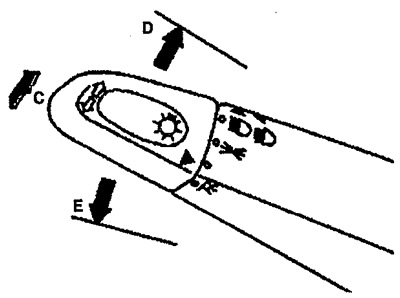
Figure 1.27. Checking the direction indicators.
10. Press the multifunction switch from position A to position C. Check that the high beam headlights flash.
11. Turn off the ignition.
12. Press the hazard warning switch (see figure 1.28). Check the operation of the hazard warning lights.
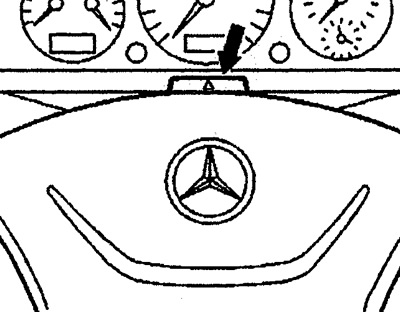
Figure 1.28. Checking the emergency signaling.
Checking the operation of windshield wipers and washers
13. Check the retainer A and the wiper blade rubber B (see figure 1.29). Check the condition of the windshield retainer and rubber. Replace if necessary.
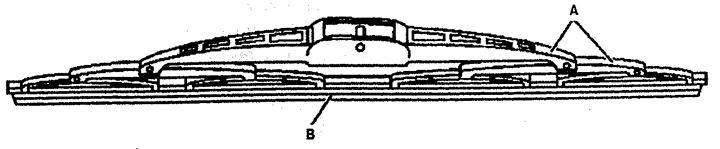
Figure 1.29. Windscreen wiper blade.
14. Set the windshield wiper switch to the "ON" position, move it to the "1", "2", "3", then set it to the "OFF" position (see figure 1.30). Position "1" - intermittent operation of windshield wipers, "2" - slow operation of windshield wipers, "3" - fast operation of windshield wipers.
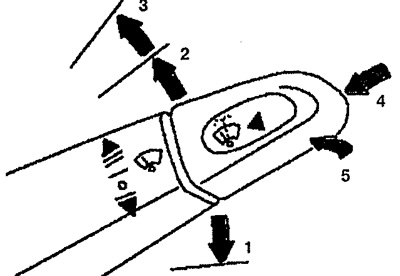
Figure 1.30. Checking the operation of windshield wipers and washers.
15. Press the tip of the right multifunction switch 4. The windshield washer pump and windshield wiper should operate simultaneously. Check the liquid spray through the nozzles.
16. Turn on the high beam headlights. Press the tip of the right multifunction switch 4. The windshield washer pump and headlight wiper should operate simultaneously. Check the liquid spray through the nozzles.