



The W-124 model range replaces the W-123 models. In addition, three diesel vehicles and four petrol-powered vehicles have been created. The new model range is a set of developments. Distinctive features include noticeable economy and quality. The 4-cylinder engine is already known from the 190/190 E model range.
A completely new development – the 6-cylinder engines 260 E/300 E. Based on the 4-cylinder diesel engine type 190 D (W-201), a whole generation of engines is presented in the W-124 model series. In addition to the well-known 4-cylinder engines, it includes a new 5-cylinder diesel engine with an output of 66 kW (model 250 D), as well as a 6-cylinder diesel engine with a power of 80 kW (model 300 D).
1985, May
More and more engines are offered in RUF or Kat design.
december
Station wagons under the T-model brand expand the offered model range. The technical design of the sedan and station wagon is identical. Compared to its predecessors, the volume of the car body has been significantly increased. An interesting solution is the trunk lid, which closes with an electric drive.
1986, September
All vehicles with 6-cylinder engines are equipped with ABS as standard. All vehicles are equipped with a catalytic converter as standard. A rev counter is installed as an additional feature for diesel engines.
1987, January
Start of deliveries of vehicles with automatic differential lock (ASD) of the rear axle, which is optionally controlled electronically.
1987, May
The first 4Matic models are delivered. This is an automatically controlled 4-wheel drive. Electronics and hydraulics are used to engage the all-wheel drive, lock the main differential and the rear axle differential. The elegant 230 CE and 300 CE coupés complete the W-124 model range.
1987, September
The temperature gauge is equipped with new electronics. The windshield wiper arm has been changed - there is a new coating and mount for the wipers. The airbags receive new controls with a built-in energy storage and force conversion device. The seat belt buckles are equipped with contact switches.
1988, September
The 200 E and 200 TE models complete the W-124 model range. The Mercedes-Benz Diesel 89 designation is the next step towards minimising exhaust gas toxicity. Thanks to improved combustion, exhaust gas toxicity has been reduced by 40%. The anti-lock braking system is now standard on models with 4- and 5-cylinder engines. A right-hand outside mirror is included in the scope of delivery. An airbag for the right-hand passenger and automatic seat belts for both front seats are installed.
1989, September
The Mercedes middle class - the W-124 model range is supplemented by the 300 E-24, 300 CE-24 and 300 TE-24 models. They are equipped with a 24-valve engine with variable intake camshaft drive.
1990, February
The ASR system is available as an option for all models with 6-cylinder engines.
1990, May/June
Tempomat is available on request. A switch on the clutch pedal switches off the tempomat when the pedal is pressed. A 90-litre fuel tank can be installed as an option (except T-model).
1991, June
The 260 E is no longer available. The 200 TD and 300 D 4Matic models have also ended production.
Diesel engines are equipped with catalytic converters, cars with automatic transmission are equipped with a mechanical control valve. All models are equipped with a new steering wheel with a diameter of 400 mm, which until now was an accessory of the S-class models. Instead of the previous ones, light metal wheel disks with 8-bolt fastening are installed.
1992, June
All models are equipped with new engines. The 8-cylinder 400 E enters production. The ARA system familiar from the 250 TD model is used in the 200 D.
1993, July
The model series abbreviation is being changed. All Mercedes models of the W-124 type are now designated as E-class. Models with diesel engines have the inscription Diesel on the right side of the trunk lid. The new hood lid and the new trunk design give the C- and S-class cars a uniform appearance. The easiest way to recognize the new models is by the three-pointed star. It is now installed on the varnished part of the hood, and not on the radiator grille, as before.
1994, December
The E-Class offers 32 variants. The newest model is the 200 E coupe.
1995, June
The new E-class is presented.
september:
The "E" model range has been expanded with the E 420 and E 290 TD models.
1996, January
The model range has been expanded with a sports version of the 50 AMG.
december
The all-wheel drive model E 280 4Matic has appeared (V-shaped 6-cylinder engine).
1997, March
The E 280 and E 320 models, equipped with a V6 engine, complete the model range.
june
The E 320 4Matic model with a V6 engine enters the market.
september
Production of the E 240 model began (V-shaped 6-cylinder engine) and E430 (V-shaped 8-cylinder engine).
1998, June
The 200 CDI and 220 CDI models with direct injection appear on the market.
1999, June
The E 270 CDI model is introduced. Instead of a 5-speed manual gearbox, a 6-speed one is installed as standard;
august
The E 320 CDI model appears;
november
The E 430 4Matic model can be equipped with a V8 engine.
Today, the first place in buyers' preferences is an individual approach and extensive options for choice. Mercedes responds to them by using various model configurations. This principle was laid down with the C-class models and is consistently continued in the E-class models.
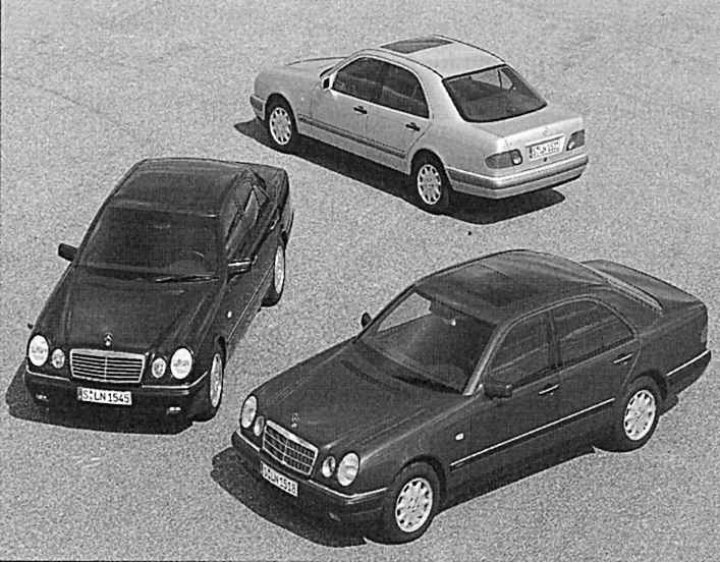
Fig. 1.3. Three body configuration options: Classic, Elegance and Avantgarde
The buyer is offered three body trim options: Classic, Elegance and Avantgarde (Fig. 1.3), which differ in interior trim and decorative body elements.
Model Classic. The basic model of the Mercedes E-Class. A fully equipped car that combines unobtrusive elegance with typical Mercedes functionality and thus meets the needs of buyers of cars in the improved middle class.
Distinctive features of the Classic model:
- 1. Wheels on steel disks with decorative caps.
- 2. Green tinted glass.
- 3. Decorative panels on the roof, pillars, trunk and front end made of anodized hematite.
- 4. The decorative panels of the pillars and glass visually match the anodized aluminum and are covered with a glossy black varnish.
- 5. Bumper with protective plate in contrasting color.
- 6. The visible surfaces of the bumper trim are finished in the same color as the car.
- 7. The wood paneling is made of sycamore.
- 8. Seat upholstery material with a "Wave" pattern, color - black, blue, champignon or gray.
- 9. Upholstery material MB-Tex, color - black, blue, saffron, champignon or gray.
- 10. Black foam gear shift lever and steering wheel.
- 11. Lower center console with open storage compartment.
Model Elegance. Chrome trim on the outside of the bumpers, door handles and side panels, light metal wheel rims, as well as walnut and leather on the steering wheel and gearshift lever in the car interior give the Elegance model an aristocratic look.
Distinctive features of the Elegance model:
- 1. Light metal wheels with 10 mounting bolts.
- 2. Decorative panels in the color of the car.
- 3. The upholstery of the pillars and doors harmoniously matches the black lacquer coating.
- 4. Side moldings in contrasting color with chrome trims.
- 5. Chrome door handles.
- 6. The bumpers contrast with the chrome trim and the color of the car.
- 7. The wood paneling is made of walnut.
- 8. Upholstery material Presto, colors - black, blue, champignon, or gray.
- 9. Interior leather upholstery color: black, blue, saffron, champignon or gray.
- 10. The gearshift lever and steering wheel are covered in leather to match the color of the dashboard.
- 11. Pockets on the backs of the front seats.
- 12. Comfortable armrests.
- 13. Good airflow to the rear of the cabin.
- 14. Sun visors with illuminated mirror.
- 15. Anti-glare rearview mirror.
Avantgarde model. This model has a distinctly trendy and sporty appearance.
Distinctive features of the Avantgarde model:
- 1. Wheels (16 inches) made of light alloy with 5 bolts and wide tires 215/55 R 16.
- 2. Low landing of the car.
- 3. Blue tinted glass.
- 4. Roof moldings in the color of the car.
- 5. Decorative trims on the middle pillars and on the grooves of the rear door windows in the color of the car with a film for a smooth color transition.
- 6. Bumper and car protection with chrome trims.
- 7. Good airflow to the rear of the cabin.
- 8. Pockets on the back of the front seats.
- 9. Exclusive types of body coating: metallic Violan and green Amazonit.
- 10. Chrome door handles.
- 11. Radiator shroud with black lacquered slats.
- 12. Xenon headlights.
- 13. The wood paneling is made of maple.
- 14. Seat upholstery material in Tiffany pattern, colors - black/green, black/red or black/gray.
- 15. Interior leather upholstery color: black, blue or gray.
- 16. Gear shift lever and steering wheel covered in black leather.
- 17. Comfortable armrests.
- 18. Headlight cleaners.
- 19. Adjusting the light range.