



Removal
1. Contact Chapter 1 and drain the coolant.
2. Loosen the clamps and disconnect the upper, lower and, where necessary, overflow hoses from the radiator (see Fig. 3.3, a-g).
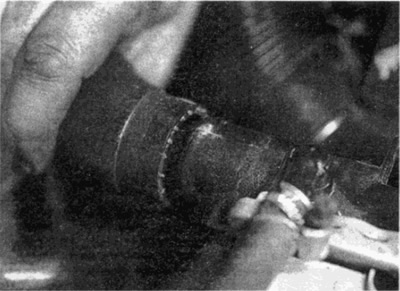
Fig. 3.2. a. Loosen and disconnect the upper hose...
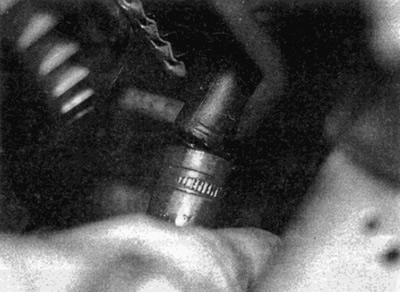
Fig. 3.2, b....and the lower hoses from the radiator olives (6-cylinder petrol engine shown)
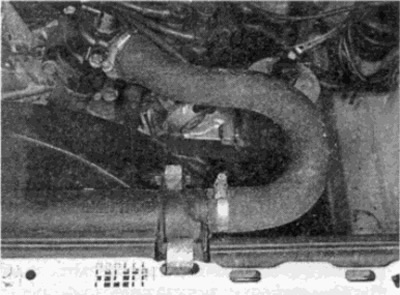
Fig. 3.2, c. Upper radiator hose (shown is a 4 cylinder petrol engine)
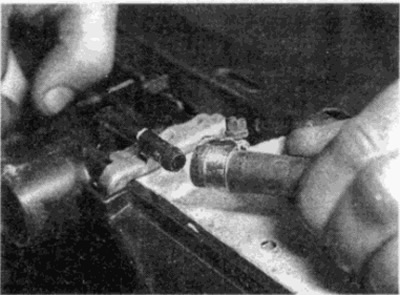
Fig. 3.2, g. Where provided, also disconnect the overflow hose from the top of the radiator
3. Carefully release the spring clips holding the top of the fan shroud to the radiator. Remove the shroud from the radiator and position it on top of the fan blades (see Fig. 3.3, a-e).
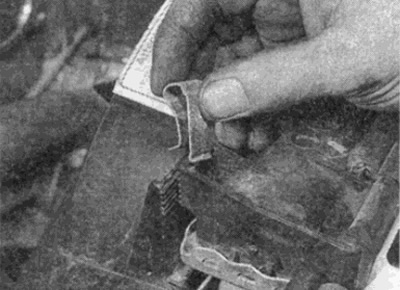
Fig. 3.3, a. Squeeze the fan shroud latches...
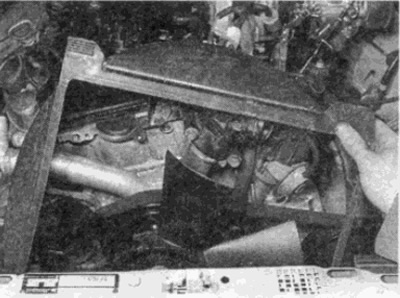
Fig. 3.3, b....then separate the casing from the radiator and place it on top of the fan blades
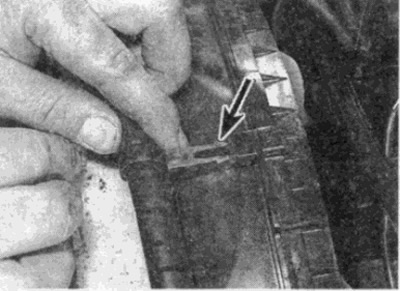
Fig. 3.3, c. On models with a composite radiator shroud, remove the retaining pin (shown by arrow)
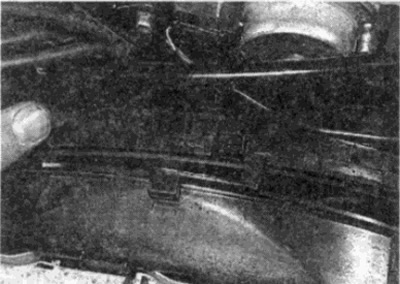
Fig. 3.3, g....then separate the casing ring by turning it to the left and placing it on top of the fan blades
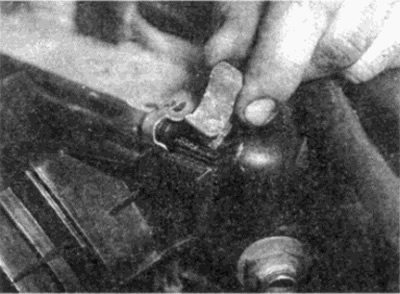
Fig. 3.3, d. Remove the spring clips...
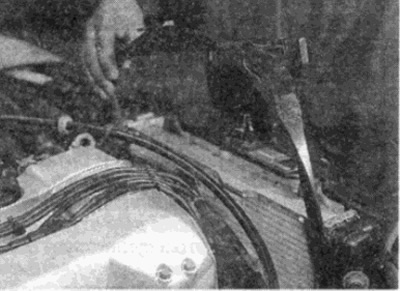
Fig. 3.3, e....then release the fan shroud from the radiator and remove it from the engine compartment
4. On vehicles without air conditioning, remove the plastic expander screws holding the side panels to the radiator and remove the expander housing (see Fig. 3.4, a-c).
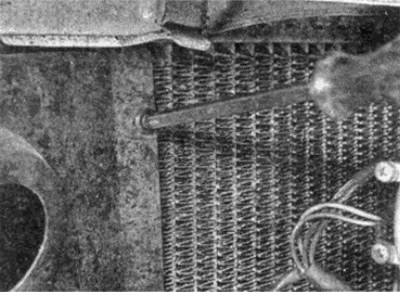
Fig. 3.4, c. Unscrew the screws...
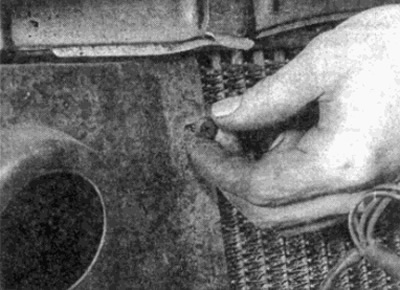
Fig. 3.4, b....and remove the expander housings...
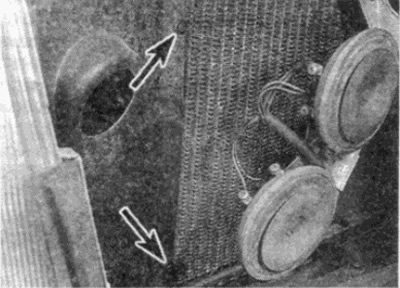
Fig. 3.4, c....located at the top and bottom of the side panels (4 cylinder engine shown)
5. On automatic transmission models, clamp the transmission fluid cooler hoses with cam-type clamps and unscrew the hose fittings from the lower or side radiator compartment, depending on the model (see fig. 3.5. a, b). Carefully remove and close the hoses.
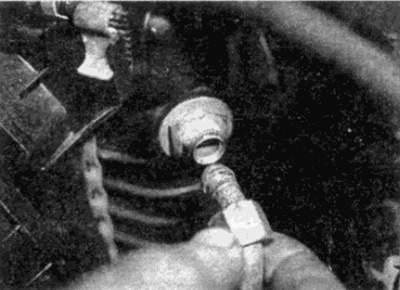
Fig. 3.5, a. Disconnect the hoses from the automatic transmission fluid heat exchanger (6-cylinder petrol engine shown)
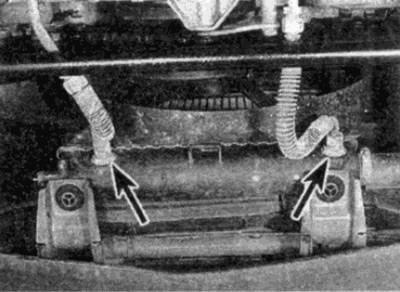
Fig. 3.5, b. Automatic transmission fluid heat exchanger fittings (shown by arrows) (4-cylinder petrol engine shown)
6. Carefully release the spring clips holding the top of the radiator to the case panel (see Fig. 3.6, a, b).
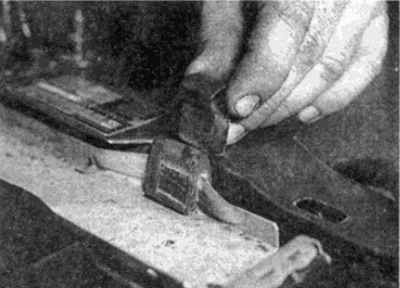
Fig. 3.6, a. Unfasten the metal...
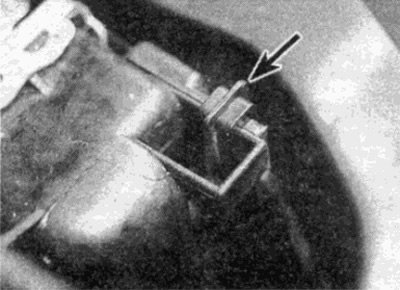
Fig. 3.6, b....and where provided, plastic spring clamps (shown by arrows)
7. Lift the radiator up to release the lower mounting tabs and remove it from the vehicle (see Fig. 3.7, a, b).
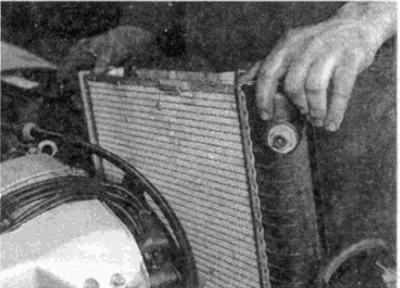
Fig. 3.7, a. Lift the radiator out of the engine compartment (shown is a 6-cylinder petrol engine with air conditioning)
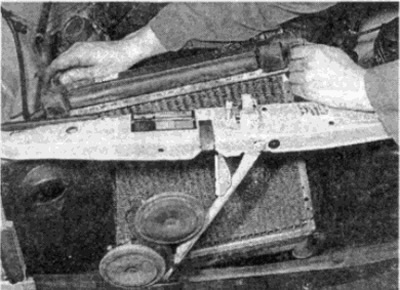
Fig. 3.7, b. Removing the radiator (4-cylinder petrol engine without air conditioning)
Examination
8. Carefully inspect the radiator for leaks, corrosion of the core, or damage to the plastic side, top, or bottom sections. If the radiator requires repair, due to the design of the radiator, repairs should be carried out by a specialist. Sweep or blow away any leaves or other debris stuck to the radiator core. Check the condition of all hoses, support clamps, and fasteners. Replace them if necessary.
Installation
9. Install the radiator in reverse order, but make sure that the support tabs are correctly positioned in the rubber bushings (see fig. 3.9). After installation, fill the cooling system as described in Chapter 1. On models with automatic transmission, check the fluid level as described in Chapter 1.
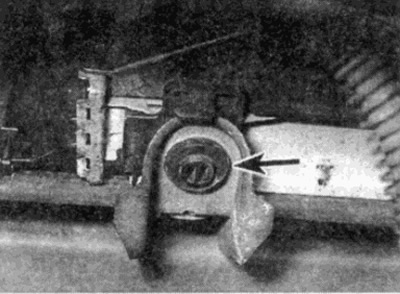
Fig. 3.9. Make sure the lower radiator supports are aligned with the rubber bushings (shown by arrows)
[Publication reprinted from this resource: Mercedesman.ru]