



Contents: Basic adjustment ↡ Additional adjustment ↡
The parking brake is adjusted if, when the pedal is pressed, the number of clicks before the brake is applied differs by more than two from the nominal value (7 clicks). Fig. 260 shows the location of the parking brake drive on the body base.
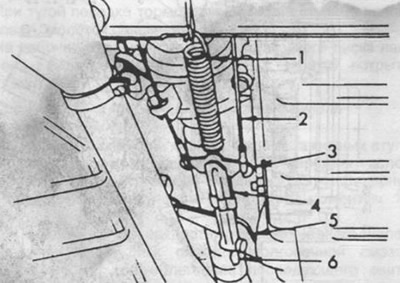
Fig. 260. Parking brake adjustment mechanism.
1 - spring,
2 - drive cable,
3 - rocker arm,
4 - adjusting rod,
5 - intermediate lever,
6 - adjusting bolt.
Basic adjustment
Basic adjustment is performed, for example, after replacing the parking brake cable or replacing the rear suspension.
Unscrew the adjusting bolt (6) completely from the adjusting rod. The spacer stops in the rear brakes must be unloaded.
Adjust the parking brake shoes as described in the "Additional adjustment" section.
Tighten the adjusting bolt until the pedal moves three or four ratchet teeth.
Additional adjustment
Loosen one wheel mounting bolt on the left and right sides.
Place the car on stands.
Turn the wheel so that the hole from which the bolt was removed is positioned at an angle of 45° at the upper front part, as shown in Fig. 261.
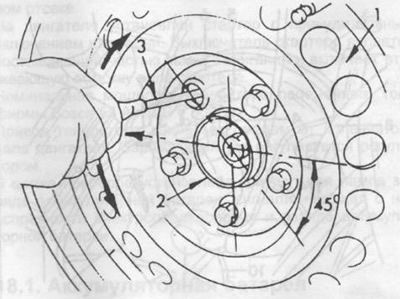
Fig. 261. Additional adjustment of the parking brake.
1 - wheel disk,
2 - rear wheel hub,
3 - screwdriver.
Insert a screwdriver into the hole shown in Fig. 261 and turn the adjusting nut until the wheel is fully braked. Then loosen the adjusting nut by 2...3 teeth until the wheel rotates freely. When adjusting, move the screwdriver in the following order:
- On the left side from bottom to top;
- On the right side from top to bottom.
After adjustment, press the parking brake pedal until it moves one tooth; in this position, the brake pads should move slightly apart.