



Before we begin
- Make sure the vehicle is on a level surface.
- Check the oil level before driving or at least 5 minutes after turning off the engine.
Tip: If you check the oil level immediately after driving, some oil will still remain in the upper part of the engine, which will lead to incorrect readings on the dipstick!
Brand of oil
Modern engines place great demands on the oil used. It is very important to use the correct grade of oil for your vehicle (see "Lubricants, fluids and tire pressure").
Preventive measures
If you have to top up your oil often, you need to check for leaks. Put some clean paper under your car overnight and check in the morning to see if there are any stains. If there are no stains, then the engine may be burning oil (see "Troubleshooting").
Original published on the website www.mercedesman.ru
Always keep the level between the upper and lower marks on the oil dipstick. If the oil level is too low, serious engine damage may occur. If there is too much oil in the engine, the oil seals may malfunction as a result.
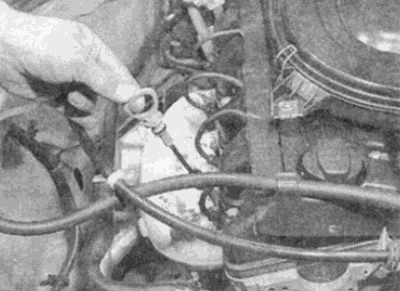
1. Often the oil dipstick is brightly colored to make it easier to find (see "Check points under the hood"). Remove the probe.
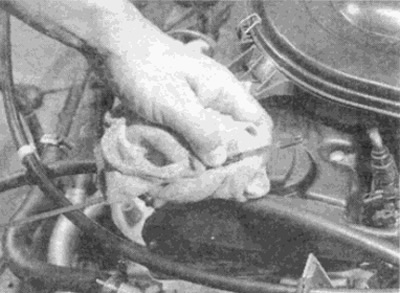
2. Wipe off all oil from the dipstick with a clean rag or paper towel. Insert the clean dipstick into the tube until it stops, then pull it out again.
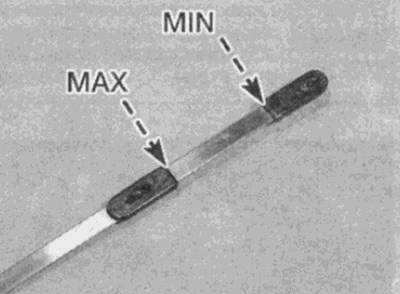
3. Use the dipstick to determine the level, which should be between the upper ("MAX") and lower ("MIN") marks. Approximately 1.0 liter of oil will be enough to change the level from the lower to the upper mark.
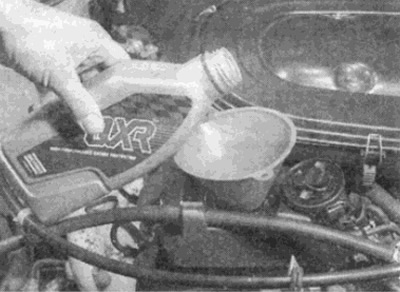
4. Add oil through the filler neck. Unscrew the cap and add oil. A funnel will help reduce splashing. Add oil slowly and check the level on the dipstick often. Do not overfill.