



Contents: Examination ↡ Adjustment ↡
Examination
1. Check that the throttle cable is adjusted correctly (see Chapter 4B).
2. Start the engine and warm it up to normal operating temperature. With the parking brake applied and the transmission in neutral, let the engine idle. Make sure all electrical consumers of the car are switched off (including air conditioning where installed).
3. Using the diesel engine tachometer, check that the idle speed is correct Technical data. If adjustment is necessary, follow the steps in the next section.
Adjustment
Engines with pneumatic idle speed increase
4. Loosen the lock nut on top of the idle speed vacuum unit that is mounted to the rear of the injection pump (see fig. 9.4).
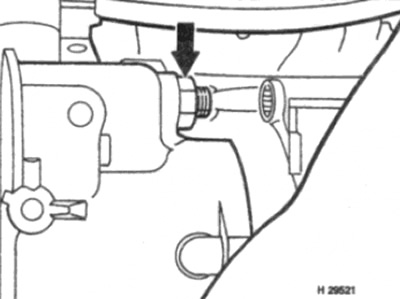
Fig. 9.4. Loosen the lock nut (A) and turn the vacuum unit (B) to adjust the idle speed - engines with pneumatic idle speed increase.
5. Using an open-end wrench, gradually turn the vacuum unit until the idle speed matches the specifications. After completing the adjustment, tighten the lock nut.
Electromagnetically Regulated (ELR) Idle Speed Engines
6. Disconnect the plug from the electromagnetic relay, which is installed on the rear of the injection pump (see fig. 9.6).
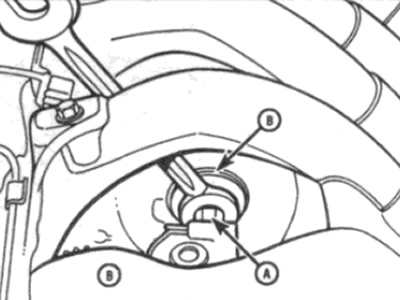
Fig. 9.6. Remove the plug (shown by arrow) electromagnetic relay - engines with ELR idle speed control.
7. Find the idle speed adjustment screw, which is located just above the electromagnetic relay housing (see fig. 9.7). Loosen the lock nut and turn the adjustment screw to set the normal idle speed. Remember: Turning the screw to the left increases the idle speed, and turning it to the right decreases the idle speed
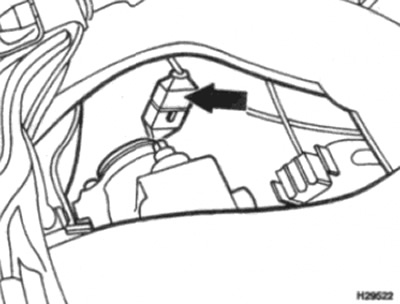
Fig. 9.7. Idle speed adjustment screw. (shown by arrow) — engines with ELR idle speed control.
8. After completing the adjustment, tighten the lock nut and connect the plug.
Engines with EDS idle speed control
9. Perform the actions described in paragraphs 6-8, inclusive. Note that the basic idle speed setting can be changed electronically using a compensating socket.